
How to Prepare for Severe Weather Season
A step-by-step guide to protect your family and property.
Every year, severe weather seems to arrive with a little more intensity.
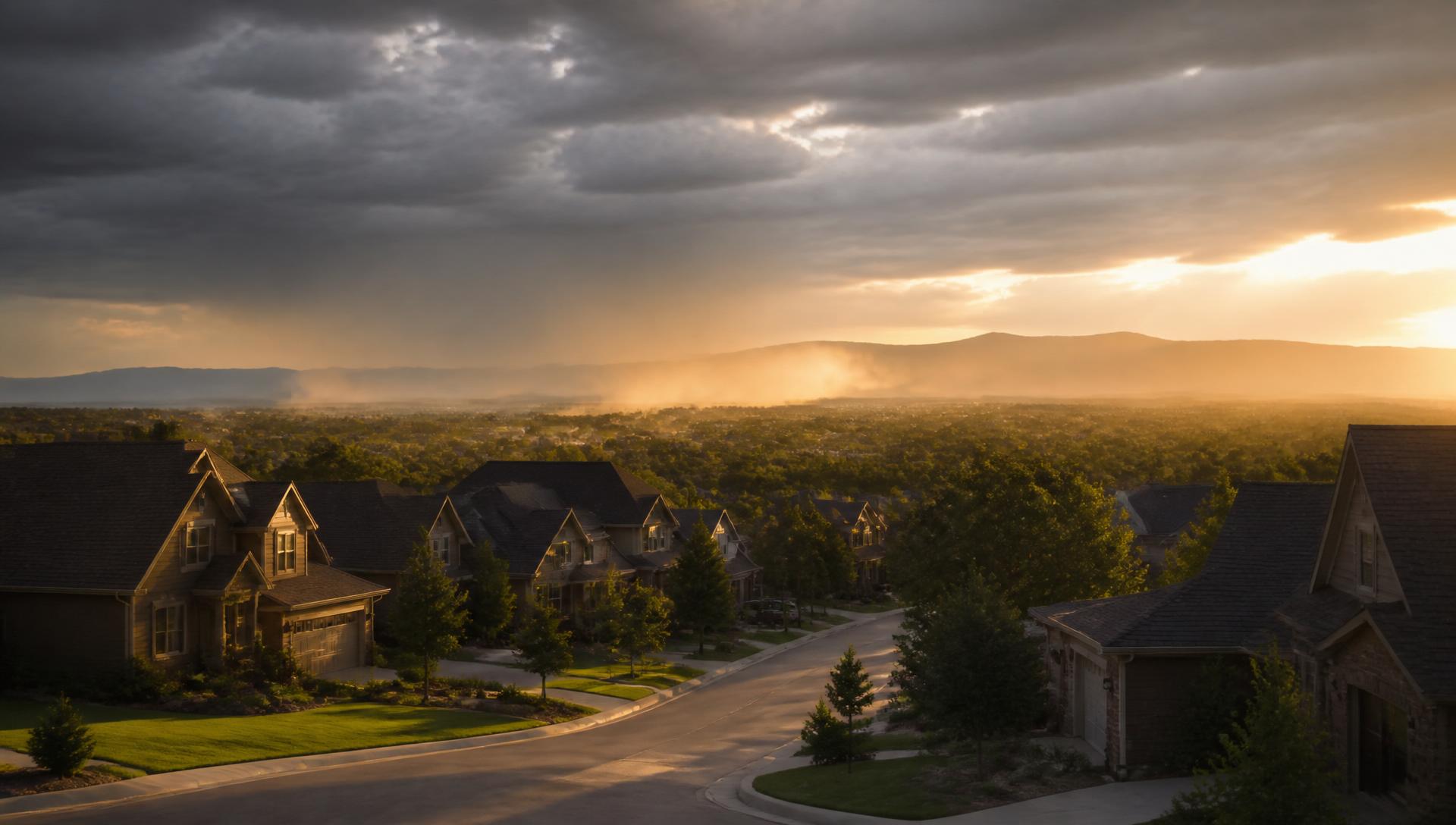
Recent seasons have brought prolonged heat waves across multiple continents, wildfire smoke drifting hundreds or even thousands of miles from its source, and increasingly powerful storms that leave millions without electricity. Whether those trends continue or not, one thing is certain: severe weather has always been part of life, and being prepared is one of the simplest ways to protect yourself and your family.
The good news? You don't need a bunker or years of supplies. A few thoughtful preparations can make a stressful situation significantly more manageable.
01
Know Your Risks
Every region faces different threats. Tornadoes in the Plains, hurricanes on the Gulf, wildfires across the West, ice storms in the Southeast, flash floods in mountain valleys. Before you buy a single piece of gear, understand what your address is most likely to face — and what your local emergency management office already recommends for it.
“The best emergency plan prepares for the emergencies you're actually likely to face.”
02
Build a 72-Hour Emergency Kit
Emergency responders and utility crews consistently recommend preparing to be self-sufficient for at least 72 hours. That's the window it typically takes for outside help to arrive, roads to reopen, power to be restored to critical areas, or for you to safely relocate. Everything in this kit should live in one place, be easy to carry, and be inspected twice a year.
Water
One gallon per person per day
Food
Non-perishable, 3-day supply
Flashlights
One per person
Batteries
Sized to your devices
Portable phone charger
Fully topped off
First aid supplies
Trauma + everyday
Prescription medications
7-day buffer
Cash
Small bills, cards may fail
Important documents
Waterproof pouch
Hygiene supplies
Wipes, sanitizer, toiletries
03
Prepare for Power Outages
Losing electricity creates cascading problems: no lights, no refrigeration, no heat or A/C, no well pumps, no garage door openers, and often no cell service once local towers exhaust their backup batteries. Preparing for outages specifically — not just "storms" — is one of the highest leverage things a household can do.
Keep phones charged
Top off before every incoming storm.
Backup lighting
Headlamps beat candles. Always.
Alternative cooking
Camp stove, grill, or butane burner — outdoors only.
Portable power station
Enough to run a fridge cycle and charge phones.
Battery-powered radio
NOAA weather band, hand-crank if possible.
04
Prepare for Wildfire Smoke
Wildfire smoke can travel hundreds, even thousands, of miles from an active fire. Communities that have never seen a wildfire in their lifetime now spend weeks each summer under hazardous air quality alerts. The response is different from most emergencies: you're not evacuating, you're sheltering — sometimes for days at a time — and the goal is clean indoor air.
N95 respirators
Sized for every household member
Replacement HVAC filters
MERV 13 or higher
Portable HEPA air purifier
Sized to your main room
Weather stripping
Seal doors and window gaps
Clean indoor air isn't a comfort item during prolonged smoke events — it's a health intervention. Fine particulate exposure over days and weeks is what causes lasting damage, especially for children, older adults, and anyone with respiratory or cardiovascular conditions.
05
Prepare for Extreme Heat
Extreme heat is quietly one of the deadliest weather hazards in North America — more lethal in most years than hurricanes, tornadoes, and floods combined. It's also one of the easiest to prepare for, because most of the response happens inside your home.
Extra drinking water
Beyond your 72-hour supply
Electrolyte packets
Water alone isn't enough
Cooling towels
Cheap, effective, reusable
Battery-powered fan
For power-outage heat waves
Close blinds
During peak afternoon sun
Cooling centers
Know where yours is before you need it
06
Protect Your Home
A weekend of home prep in the shoulder seasons prevents most of the property damage households actually experience during severe weather. Walk your property with this checklist twice a year.
- Trim dead branches
- Secure patio furniture
- Clean gutters
- Inspect roof
- Know utility shutoffs
- Store outdoor equipment
- Test sump pump
07
Stay Informed
In a real emergency, information becomes a resource. You want it from multiple, redundant sources — and you want at least one that works without cell service.
Wireless Emergency Alerts
Confirm they're enabled on every phone in the household.
NOAA Weather Radio
Works when cell towers are down or overwhelmed.
Local emergency management
Follow your county's official channels.
Trusted local news
Local meteorologists still lead the pack in severe weather.
Relying only on social media is a mistake. Feeds are ranked, delayed, and full of well-meaning strangers sharing outdated screenshots. Use it as a supplement, never as your primary alerting system.
08
Create a Family Emergency Plan
The best kit in the world doesn't help if half your family is at work, the other half at school, and no one has agreed on where to meet. Sit down for thirty minutes, once a year, and answer these five questions together.
Meeting locations
One near home, one outside the neighborhood.
Emergency contacts
Written down — not just saved in a phone.
Pet planning
Carriers, food, meds, vaccination records.
Evacuation routes
Two ways out of your neighborhood.
Out-of-state contact
Long-distance often works when local doesn't.
09
Seasonal Preparedness Checklist
Print this. Stick it on the inside of a cabinet. Run through it every spring and fall.
- Replace flashlight batteries
- Charge backup batteries
- Test smoke alarms
- Inspect first aid supplies
- Rotate stored water
- Review emergency contacts
- Trim trees
- Review insurance
- Locate important documents
- Review evacuation plan
Preparedness isn't about expecting the worst.
It's about reducing uncertainty when life becomes temporarily unpredictable.
10
Final Thoughts
Whether it's wildfire smoke drifting across the Midwest, an extended heat wave, or a severe thunderstorm that leaves your neighborhood without power, preparation gives you options when they matter most.
You don't need to do everything today.
Start with one improvement this week. Then another next month.
Preparedness is built one small decision at a time.
Join Apocalypse Warehouse's newsletter, The Outpost
Weekly preparedness tips, gear testing, seasonal checklists, and practical advice — without fearmongering.
No spam. Unsubscribe anytime.