
Buying Guide
Communications
Radios, satellite devices, and offline communications.
When the power is out, cell towers are overloaded, or you're miles from the nearest signal, communication becomes one of the most valuable pieces of preparedness equipment you can own. The goal isn't to buy the most expensive gadget—it's to have the right tool for the situation.
Start Here
Who are you trying to communicate with?
Pick the situation that fits — we'll point you to the tool that solves it.
- SituationReceive weather alertsMidland WR120B
- SituationTalk to family around townRadioddity GM-30
- SituationCommunicate while hikingGarmin inReach Mini 2
- SituationEmergency SOS anywhereGarmin inReach Mini 2
- SituationInternational travelGarmin inReach Mini 2
- SituationLong-distance communicationYaesu FT-65R
Product Recommendations
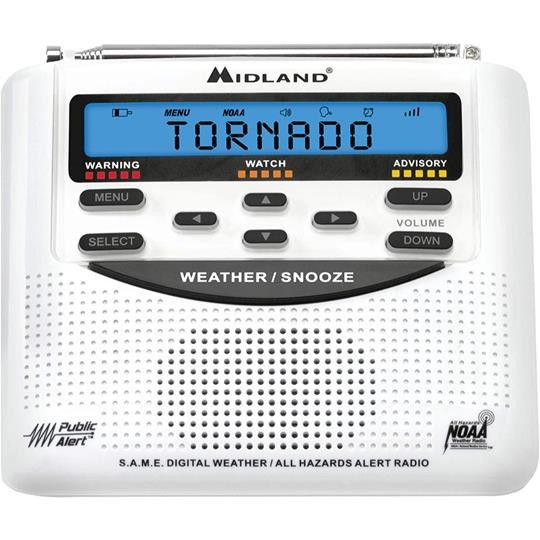
Midland WR120B
The first communication device every household should own. SAME weather alerts provide county-specific emergency notifications while battery backup keeps it operating during power outages.
Pros
- SAME alerts
- Battery backup
- Simple setup
- Excellent reliability
- Affordable
Best For
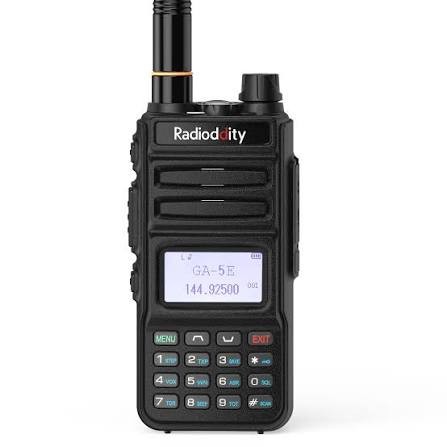
Radioddity GM-30
An outstanding value for families and beginners. USB-C charging, NOAA weather channels, repeater capability, and excellent performance make it our favorite entry-level GMRS radio.
Pros
- USB-C charging
- Weather channels
- Repeater capable
- Excellent value
- Beginner friendly
Cons
- Requires FCC GMRS license
Best For
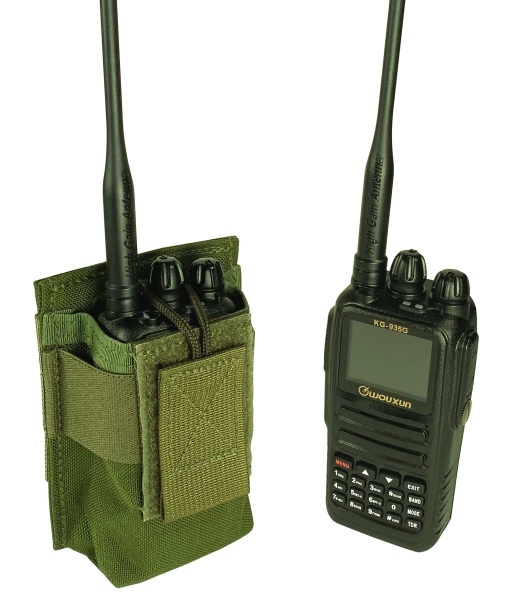
Wouxun KG-935G Plus
A premium handheld built for reliability. Better audio, stronger construction, and excellent repeater support make it ideal for serious preparedness.
Pros
- Outstanding range
- Excellent audio
- Rugged
- Long battery life
Best For
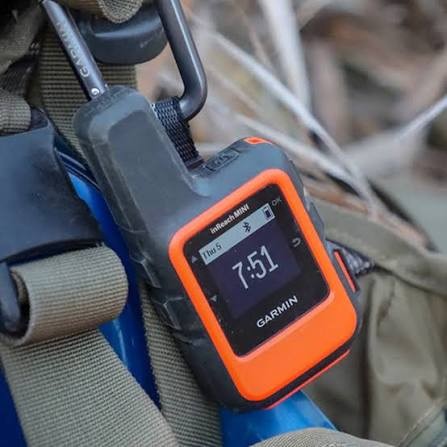
Garmin inReach Mini 2
The gold standard for off-grid communication. Two-way satellite messaging, GPS tracking, weather forecasts, and emergency SOS almost anywhere on Earth.
Pros
- Global satellite coverage
- SOS
- Two-way messaging
- GPS
- Weather forecasts
- Compact
Best For
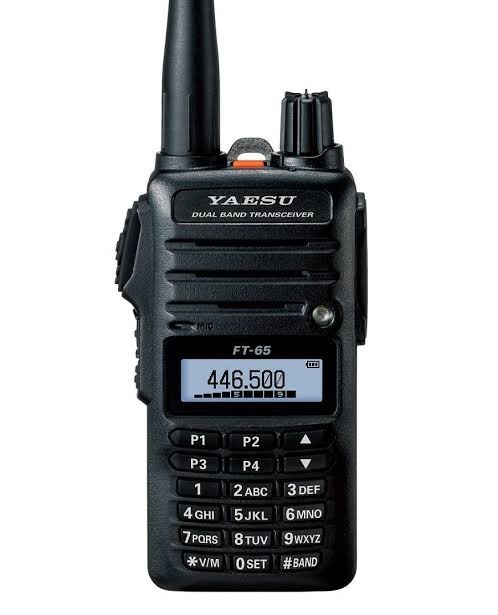
Yaesu FT-65R
One of the best beginner amateur radios available. Rugged, dependable, and easy to learn.
Pros
- Durable
- Simple controls
- Excellent reputation
- Great audio
Requires: FCC Amateur Radio License
View Best Price →Recommended Communication Kits
Apartment
- Midland WR120B
- Power Bank
- Radioddity GM-30 Pair
Homeowner
- Midland WR120B
- Wouxun KG-935G Plus
- Rechargeable Batteries
- Vehicle Charger
Outdoors
- Garmin inReach Mini 2
- Radioddity GM-30
- Solar Panel
- 20,000mAh Power Bank
Off-Grid Property
- Wouxun KG-935G Plus
- Garmin inReach Mini 2
- Midland WR120B
- External Antenna
- Backup Power
Don't Forget Power
Common Mistakes
Buying the cheapest radio
Trusting advertised range
Never practicing
Forgetting spare batteries
Depending only on your smartphone
Warehouse Picks
Midland WR120B
Household essential for county-specific weather alerts with battery backup.
View Best Price →Radioddity GM-30
USB-C, weather channels, and repeater capability at an entry-level price.
View Best Price →Garmin inReach Mini 2
Two-way global messaging and SOS on a device that fits in your palm.
View Best Price →Yaesu FT-65R
Simple, rugged, and trusted — the right first amateur radio.
View Best Price →Frequently Asked Questions
Do I need an FCC license for the radios you recommend?
It depends. GMRS radios (like the Radioddity GM-30) require a GMRS license from the FCC, which covers your immediate family and does not require an exam. Ham radios (like the Yaesu FT-65R) require an Amateur Radio license, which does require passing an exam. Weather radios and satellite devices generally do not require a license to receive, though satellite devices require a subscription.
Why not just use my cell phone for emergencies?
Cell phones are convenient but fragile. They rely on cell towers that often become overloaded or lose power during disasters. Dedicated radios and satellite communicators provide independent, off-grid alternatives that function when the cellular network is down or nonexistent.
What is the “real-world” range of a handheld radio?
Ignore advertised “miles” on packaging — that usually refers to line-of-sight in perfect conditions. In a city, expect 0.5 to 2 miles; in flat, open terrain, perhaps 3–5 miles. Obstructions like buildings, hills, and dense trees drastically reduce range.
Why choose a multi-band amateur radio over a consumer walkie-talkie?
Amateur (ham) radios offer access to broader frequency bands, higher wattage outputs for repeater use, and greater programming flexibility during localized network outages.
What is a simplex frequency versus using a repeater?
Simplex communication transmits directly from radio to radio over a shorter, line-of-sight path, whereas repeaters use elevated relay stations to dramatically extend signal range across geographic obstacles.
How can I keep communication devices powered during an extended grid failure?
Redundant power setups are essential: rechargeable lithium battery packs paired with portable folding solar panels, plus standard alkaline battery backup trays for the radios that support them.
Are emergency weather radios capable of two-way communication?
No. Standard emergency weather radios are strictly receive-only devices tuned to specialized NOAA broadcast frequencies to monitor severe weather alerts and civil warnings.
Final Thoughts
Preparedness isn't about owning the most expensive equipment—it's about having reliable ways to receive information and communicate when traditional infrastructure fails. For most readers, three devices cover nearly every scenario:
- 1
Midland WR120B
Gives you county-specific weather alerts and emergency notifications at home, even during a power outage.
View Best Price → - 2
Radioddity GM-30
A capable, affordable GMRS handheld for keeping your family in contact around town and on the trail.
View Best Price → - 3
Garmin inReach Mini 2
Two-way satellite messaging and SOS when you're beyond cell coverage — the last-mile safety net.
View Best Price →
Together, these three devices cover local emergencies at home, short-range family coordination, and true off-grid reach — for a fraction of the cost of a single premium radio you might never learn to use.