
Buying Guide
Water & Filtration
Store it, purify it, and carry it with confidence.
Clean drinking water is the foundation of every emergency plan. Most people focus on food first, but dehydration becomes a serious problem long before hunger does. Whether you're preparing for a winter storm, building a vehicle emergency kit, or planning a multi-day backpacking trip, having a dependable way to store, transport, and purify water is essential.
This guide covers the products we'd actually trust ourselves — not the ones with the biggest marketing budgets.
Start Here
What do you need?
Match the scenario to the right piece of gear.
- ScenarioStore water at homeWaterPrepared 55-Gallon Water Storage Tank
- ScenarioEmergency purificationSawyer Squeeze Water Filter
- ScenarioFastest filtrationKatadyn BeFree 1L
- ScenarioFamily emergency backupLifeStraw Peak Series Gravity 8L
- ScenarioChemical purificationAquatabs
- ScenarioCarry water every dayNalgene Wide Mouth 32 oz
Understanding Water Preparedness
Store It
Water should be stored in food-grade containers away from sunlight and extreme temperatures. Rotate stored water periodically and label containers with the fill date.
Purify It
Clear-looking water isn't necessarily safe. Filters remove bacteria and protozoa, while chemical treatments and boiling provide additional protection depending on the contamination risk.
Carry It
Choose bottles and reservoirs that are durable, easy to clean, and appropriate for your activity. The best water container is the one you'll actually carry.
Product Recommendations
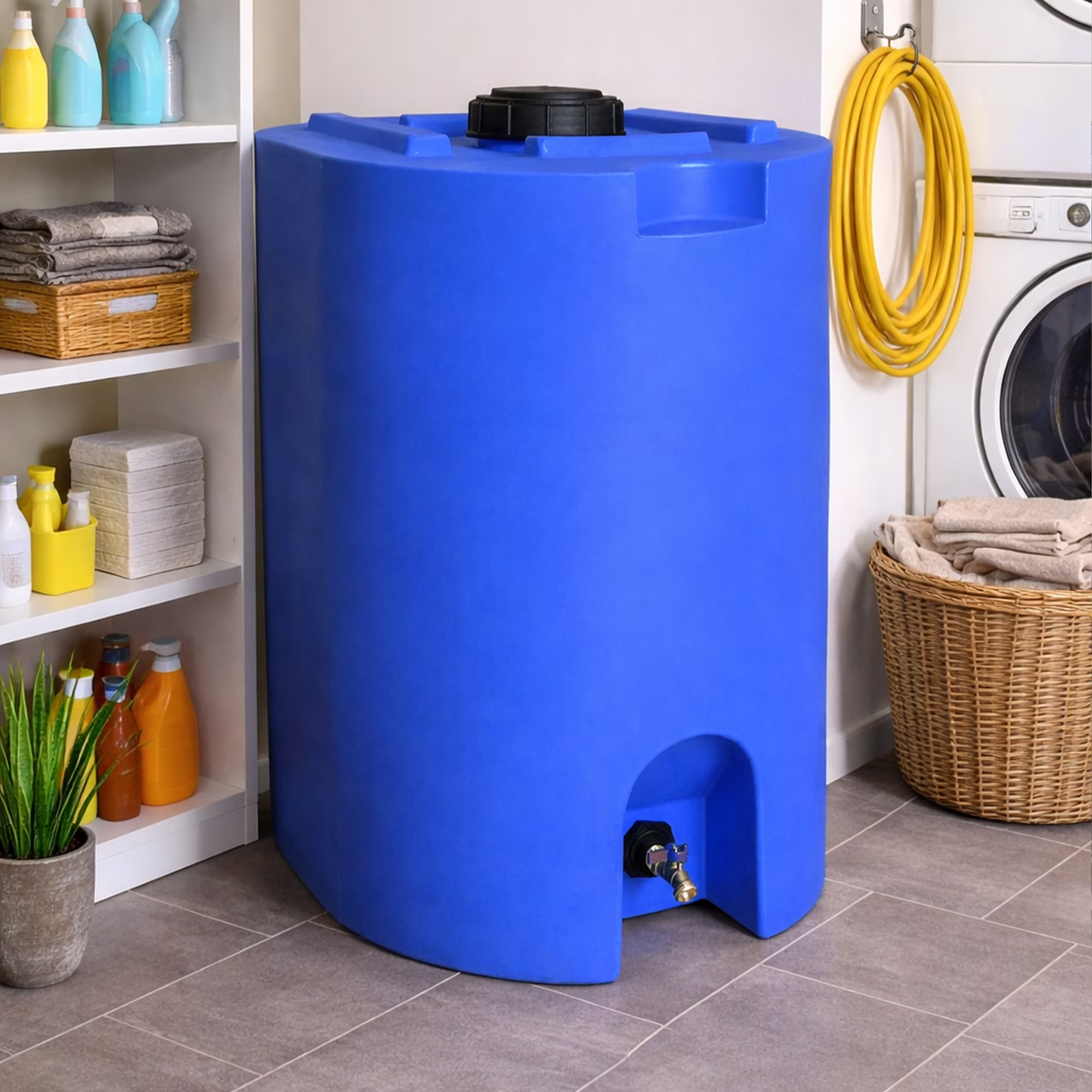
WaterPrepared 55-Gallon Water Storage Tank
One of the best long-term residential water storage solutions available. Purpose-built for emergency preparedness, these tanks are food-safe, stackable, and designed for years of reliable service.
Pros
- Large capacity
- Food-grade plastic
- Stackable
- Easy dispensing
- Long lifespan
Cons
- Requires dedicated storage space
- Higher upfront investment
Best For
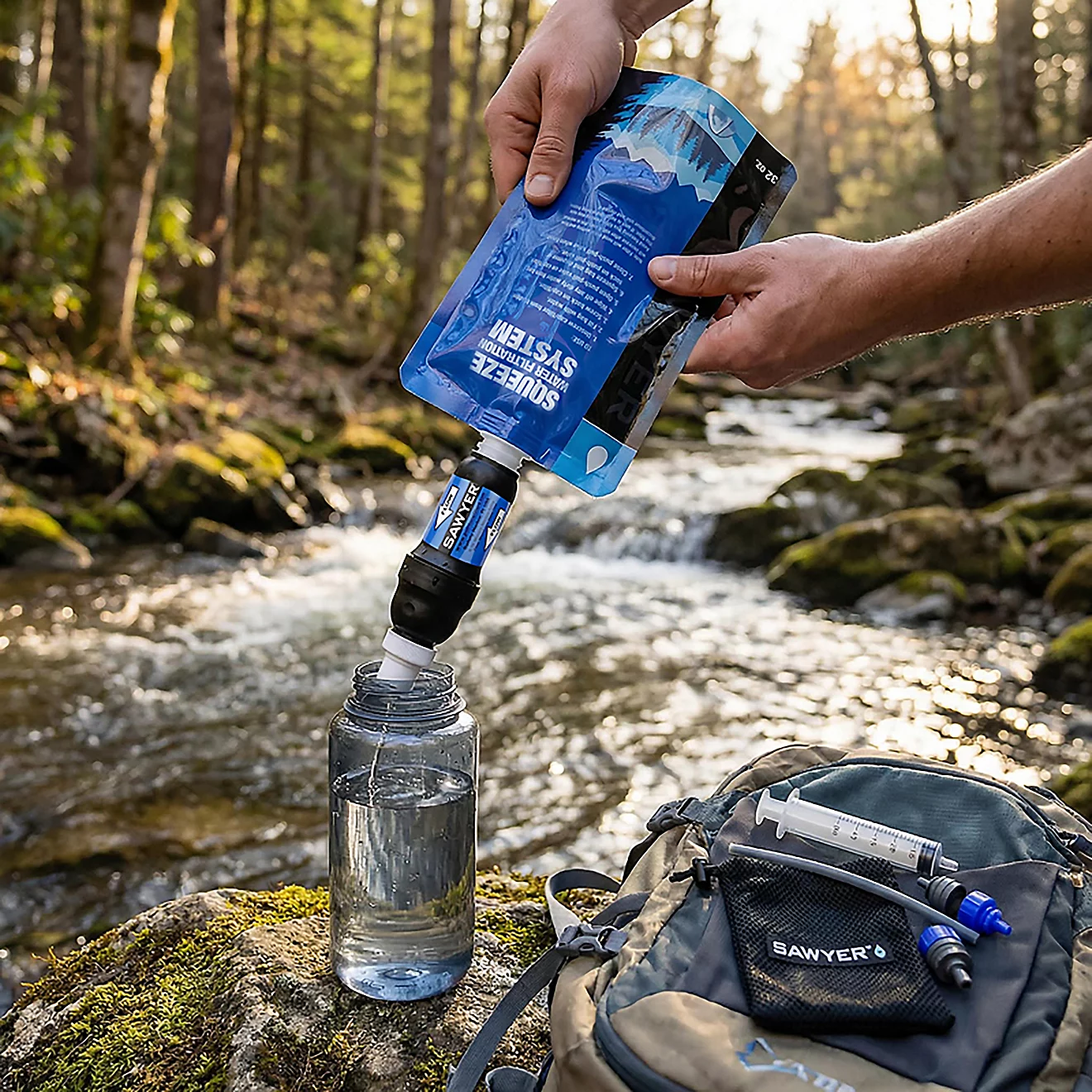
Sawyer Squeeze Water Filter
Our favorite all-around water filter. Lightweight, inexpensive, field-proven, and capable of filtering hundreds of thousands of gallons with proper maintenance. It's earned its reputation through years of dependable performance.
Pros
- Extremely lightweight
- Excellent filtration
- Long filter life
- Affordable
- Versatile
Cons
- Requires occasional backflushing
Best For
Katadyn BeFree 1L
If convenience is your priority, few filters are easier to use. The BeFree offers excellent flow rates and packs down small, making it a favorite among hikers and trail runners.
Pros
- Very fast flow
- Compact
- Easy cleaning
- Lightweight
Best For
LifeStraw Peak Series Gravity 8L
Perfect for groups or basecamp use. Hang the reservoir, let gravity do the work, and produce clean drinking water without pumping.
Pros
- No pumping required
- Large capacity
- Excellent for families
- Easy setup
Best For
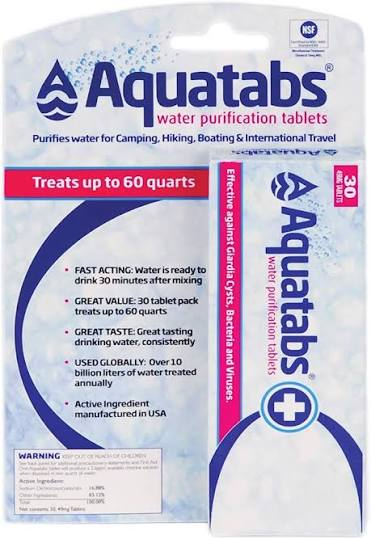
Aquatabs
A lightweight backup that belongs in every emergency kit. Tablets take almost no space and provide an excellent secondary purification method when filters fail or viruses are a concern.
Pros
- Tiny
- Long shelf life
- Affordable
- Simple
- Excellent backup
Cons
- Waiting time required
- Taste
Best For
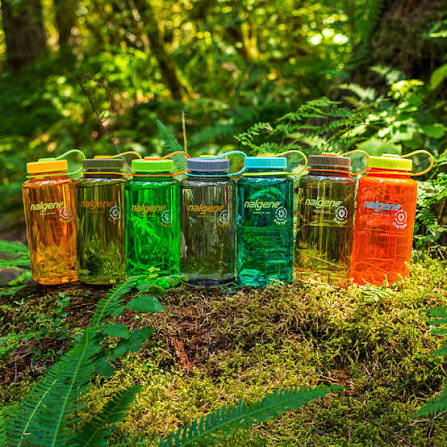
Nalgene Wide Mouth 32 oz
Simple, durable, and practically indestructible. The Nalgene remains one of the best everyday water bottles ever made and integrates well with many filtration systems.
Pros
- Durable
- Affordable
- Easy to clean
- Made in USA
- Wide opening
Best For
Recommended Water Kits
Apartment
- Sawyer Squeeze
- Nalgene Bottle
- Aquatabs
- 5-Gallon Water Containers
Homeowner
- WaterPrepared Tank
- Sawyer Squeeze
- Aquatabs
- Gravity Filter
Vehicle
- Nalgene Bottle
- Sawyer Squeeze
- Aquatabs
- Collapsible Water Container
Backpacking
- Katadyn BeFree
- Nalgene Bottle
- Backup Aquatabs
Water Storage Guidelines
Minimum storage
One gallon per person per day.
Recommended
Two weeks of stored water whenever practical.
Rotation
Inspect and rotate stored water according to manufacturer guidance and container type.
Filtration
Always have at least two independent purification methods.
Common Mistakes
Buying only bottled water
Never replacing stored water
Trusting every natural water source
Relying on only one filter
Ignoring winter freezing
Warehouse Picks
Lightweight, field-proven, and capable of filtering hundreds of thousands of gallons.
View Best Price →Food-safe, stackable tanks purpose-built for long-term residential storage.
View Best Price →Hang it up and let gravity produce clean water for the whole group.
View Best Price →Fast flow, tiny pack size — the go-to filter for trail runners and day hikers.
View Best Price →Frequently Asked Questions
How many gallons of water should I store for a family of four?
The minimum standard is one gallon per person, per day, for drinking and basic sanitation. For a family of four, aim for at least 12 gallons for a three-day emergency. Ideally, build toward a two-week supply (112 gallons) if your storage space allows.
What is the difference between a filter and a purifier?
Most backpacking filters use physical micro-pores to block bacteria, protozoa, and sediment, but may let viruses pass through. A purifier — or a chemical treatment such as Aquatabs — neutralizes viruses as well. In the U.S. most backcountry sources are primarily a bacteria/protozoa risk, but for international travel or flood conditions make sure your setup includes chemical backup.
Can I use pool water or toilet tank water in an emergency?
Only as a last resort, and never without aggressive treatment. Water from these sources is not potable. You must filter out particulates and then chemically treat or boil it to remove viruses and bacteria. Always prioritize dedicated, stored potable water first.
Do water filters remove heavy metals and chemicals?
Standard hollow-fiber membrane filters target biological pathogens rather than dissolved chemicals or heavy metals. Secondary activated carbon attachments or advanced multi-stage systems are required to reduce chemical contaminants.
How do I know when a portable water filter has reached the end of its life?
Most squeeze-style and hollow-fiber filters drastically slow down or stop passing water once they are fully clogged with trapped sediment and particulate matter. Backflushing restores some flow; when it no longer does, replace the filter.
Can freezing temperatures ruin a portable water filter?
Yes. If water trapped inside the microscopic hollow-fiber membranes freezes, it expands and fractures the internal structure, rendering the filter compromised and unsafe for use.
What is the most reliable long-term backup purification method for grid-down scenarios?
Boiling remains the gold standard for absolute certainty, paired with redundant physical microfilters and backup chemical purification tablets for situations where fuel or fire is unavailable.
Can I drink rainwater?
Collected rainwater can be a useful supplemental source, but it should still be filtered and purified before drinking — roofs, gutters, and containers can introduce contaminants.
How long does stored water last?
Water in properly cleaned, food-grade containers stored away from light and heat can last for years. Inspect and rotate on a schedule that matches your container's guidance.
Should I buy bottled water or storage containers?
For short-term needs, bottled water is convenient. For meaningful preparedness, dedicated food-grade containers or tanks are more cost-effective, more sustainable, and easier to rotate.
Final Thoughts
Preparedness begins with clean water. A reliable storage solution, a dependable filter, and a durable bottle cover nearly every scenario — from power outages at home to backcountry adventures.
For most readers we'd recommend beginning with:
- 1Sawyer Squeeze
The all-around filter that belongs in every emergency kit, bug-out bag, and backpack.
- 2Nalgene Wide Mouth Bottle
A practically indestructible everyday carry bottle that integrates with most filters.
- 3WaterPrepared 55-Gallon Tank
A serious foundation for at-home storage that outlasts stacks of bottled water.
Together they provide an excellent foundation for storing, carrying, and purifying water in almost any situation.
Recommendations are based on manufacturer specifications, independent testing, and practical preparedness use cases. Always follow manufacturer instructions and verify water safety whenever possible.