
Buying Guide
Power
Generators, solar, batteries, and backup power.
When the lights go out, power becomes more than a convenience — it keeps refrigerators running, medical devices operating, phones charged, and emergency information flowing.
The goal isn't to power your entire house forever. It's to build a reliable backup system that fits your budget and your lifestyle.
Start Here
What do you need to power?
Match the job to the tool — we'll point you to the right piece of equipment.
Product Recommendations
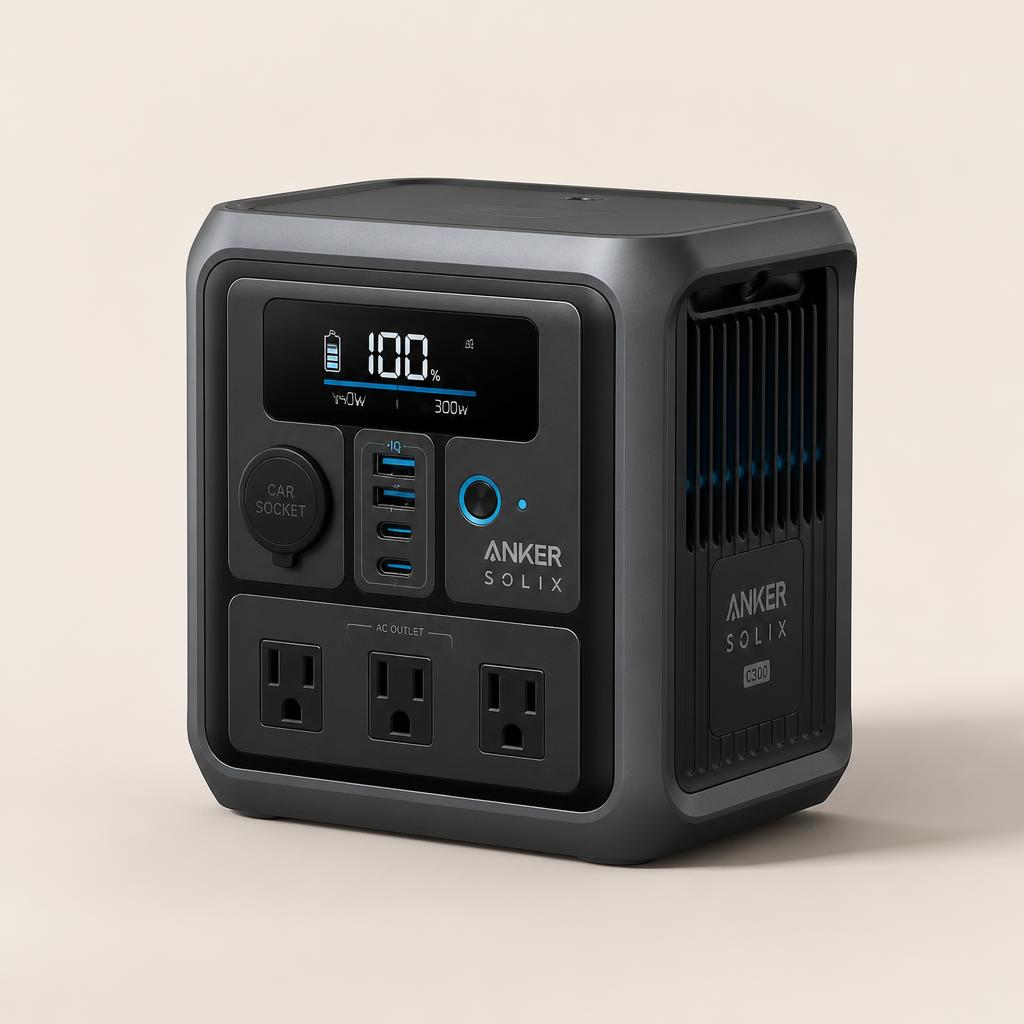
Anker SOLIX C300
If your primary goal is keeping phones, tablets, radios, headlamps, and other small electronics powered during an outage, the SOLIX C300 is an excellent entry point. It's compact enough to keep in a closet, vehicle, or emergency kit while providing enough capacity to recharge essential devices multiple times. For apartment dwellers or anyone just beginning to build a preparedness kit, it's a practical and affordable first purchase.
Pros
- Compact and lightweight
- Fast USB-C charging
- Multiple output ports
- Quiet operation
- Easy to transport
Cons
- Not designed for high-wattage appliances
- Limited runtime for larger electronics
Best For
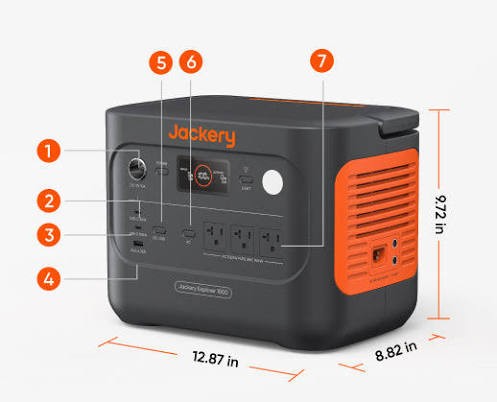
Jackery Explorer 1000 v2
The Jackery Explorer 1000 v2 strikes an excellent balance between portability and capability, making it one of the best choices for camping, overlanding, and weekend adventures. It provides enough power to run coolers, lights, laptops, drones, cameras, and small cooking appliances without becoming overly heavy. Jackery's straightforward design and dependable performance have made it a favorite among outdoor enthusiasts.
Pros
- Lightweight for its capacity
- Fast charging
- Simple interface
- Reliable brand
- Solar compatible
Cons
- More expensive than budget competitors
- Less expandable than some premium systems
Best For
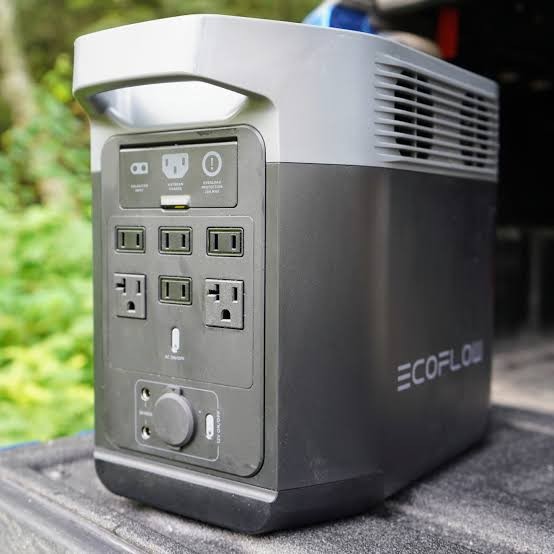
EcoFlow DELTA 2
Our favorite all-around portable power station. With over 1kWh of LiFePO₄ battery capacity, fast AC charging, solar compatibility, and enough output to run refrigerators, CPAP machines, routers, lights, and electronics, it's the sweet spot for most households.
Pros
- Fast charging
- Excellent app
- Expandable battery
- LiFePO₄ battery
- Reliable brand
Best For
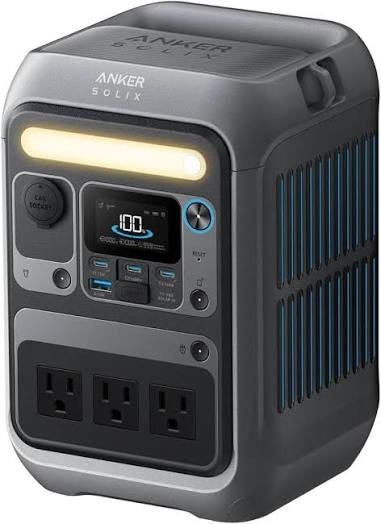
Anker SOLIX C1000
One of the best values available today. It delivers 1,056Wh of LiFePO₄ storage, 1,800W output, rapid charging, and premium build quality at a competitive price.
Pros
- Fast charging
- Excellent value
- App support
- Quiet
- LiFePO₄
Best For
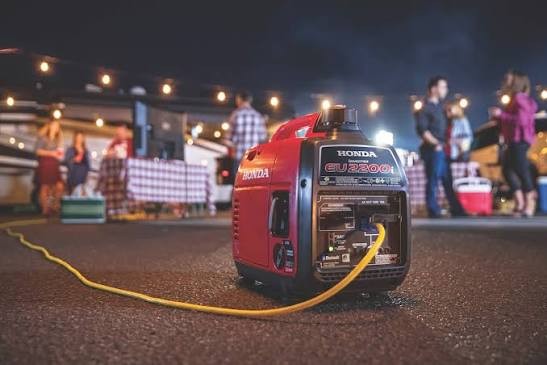
Honda EU2200i
If long-duration outages are your concern, nothing beats a quality inverter generator. The Honda EU2200i is renowned for reliability, fuel efficiency, and quiet operation.
Pros
- Extremely reliable
- Quiet
- Fuel efficient
- Long lifespan
Cons
- Requires gasoline
- Outdoor use only
Best For
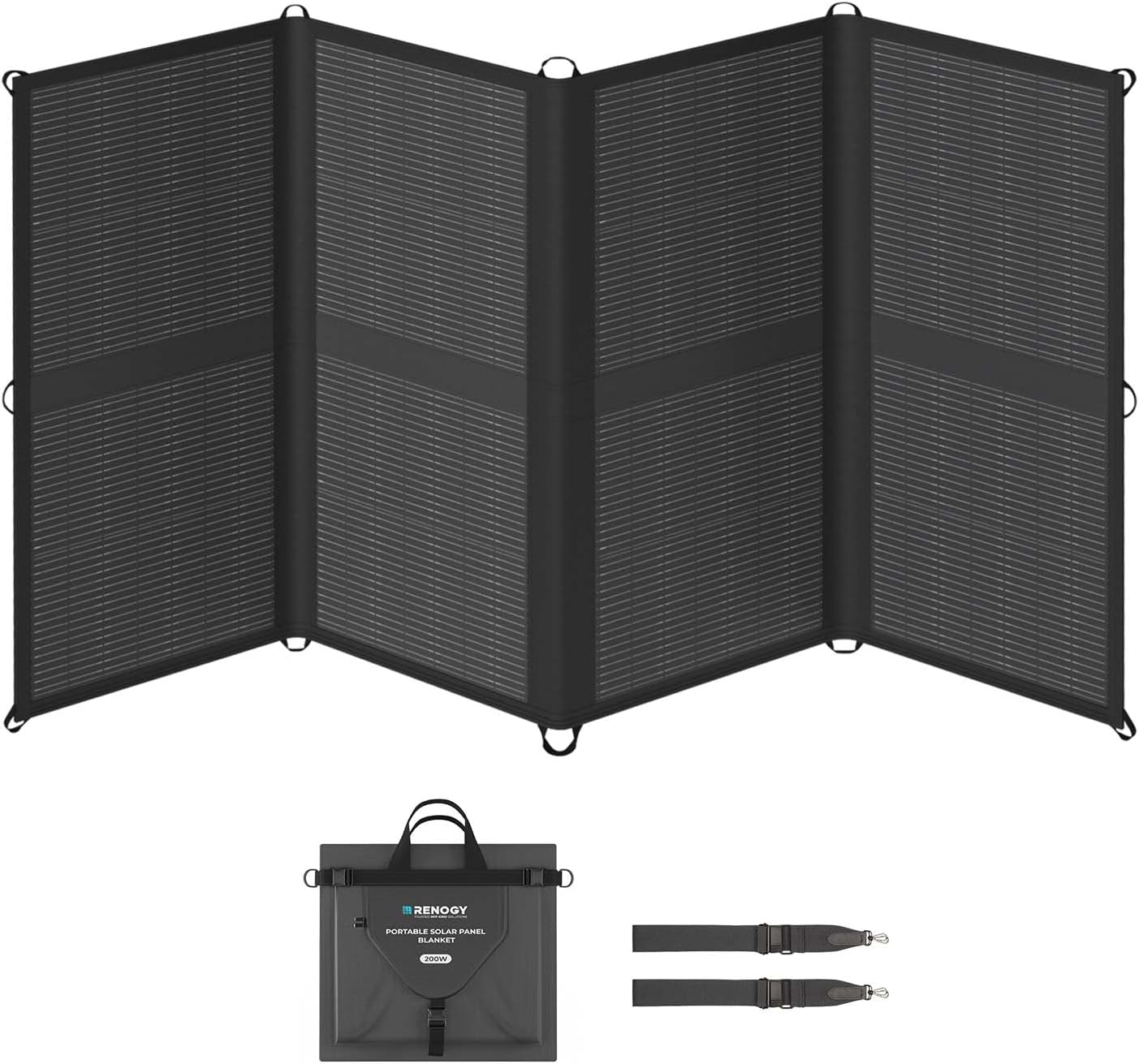
Renogy 200W Portable Solar Panel
One of the easiest ways to recharge portable power stations without relying on grid power.
Pros
- Portable
- Durable
- High efficiency
- Foldable
Best For
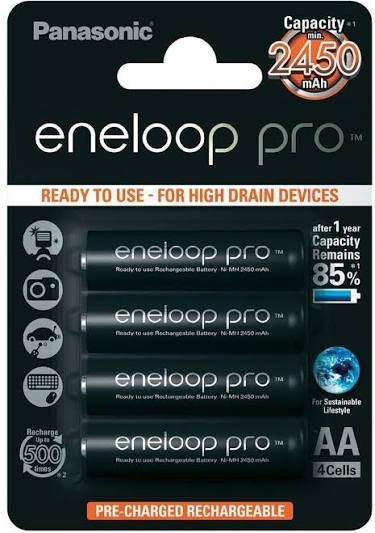
Panasonic Eneloop Pro
Rechargeable AA and AAA batteries should replace disposable batteries in almost every preparedness kit.
Pros
- Thousands of recharge cycles
- Low self-discharge
- Reliable
- Long lifespan
Best For
Recommended Power Kits
Apartment
- EcoFlow DELTA 2
- Power Strip
- Rechargeable Batteries
- Flashlights
Homeowner
- Honda EU2200i
- EcoFlow DELTA 2
- Extension Cords
- Fuel Storage
Camping
- Jackery Explorer 1000 v2
- Renogy Solar Panel
- Headlamps
- USB Lantern
Off-Grid Cabin
- Honda EU2200i
- EcoFlow DELTA 2
- Solar Panel
- Battery Bank
- Rechargeable Batteries
Don't Forget
Common Mistakes
Buying too little capacity
Ignoring wattage requirements
Never testing equipment
Storing old gasoline
Using generators indoors
Warehouse Picks
Over 1kWh of LiFePO₄ storage with fast charging and expandable capacity.
View Best Price →1,056Wh, 1,800W output, and premium build at a competitive price.
View Best Price →A rugged, easy-to-carry station built for the trail and campsite.
View Best Price →The gold standard for quiet, reliable, fuel-efficient backup power.
View Best Price →Frequently Asked Questions
What size power station do I actually need?
Add up the watt-hours of what you must run for a day. A phone is about 15Wh per charge, a CPAP roughly 30–60Wh per night, and a small fridge 500–1,000Wh per day. For phones, lights, and radios, a 250–500Wh unit is plenty. For a fridge or medical device, plan on 1,000Wh or more plus solar recharging.
Are gas generators still worth it?
Yes, for high-draw needs like well pumps, HVAC, or extended multi-day outages. But they must be run outdoors, far from windows and doors — carbon monoxide from generators kills people every year. Battery power stations are safer and quieter for indoor and overnight use.
How long do lithium batteries last?
LiFePO4 (lithium iron phosphate) power stations typically deliver 3,000–6,000 charge cycles before dropping to 80% capacity — often a decade or more of regular use. Older lithium-ion chemistries usually manage 500–1,000 cycles.
Why is LiFePO4 preferred for backup power?
LiFePO4 chemistry is far more thermally stable than standard lithium-ion, tolerates deeper discharges, and lasts several times longer in cycle life — all of which matter for gear that sits in storage and gets used hard when it's needed.
How much solar do I need to recharge a power station?
As a rule of thumb, a 200W panel in good sun delivers roughly 800–1,200Wh per day. Match panel wattage to how quickly you need to refill your battery, and remember clouds, angle, and temperature all reduce real output.
Can I run a power station indoors?
Yes. Battery power stations produce no exhaust, so they are safe indoors — unlike fuel generators, which must always be operated outside and well away from living spaces.
How should I store batteries long term?
Store at roughly 50–80% charge in a cool, dry place, and top them off every three to six months. Leaving a battery fully depleted for months is the fastest way to ruin it.
Final Thoughts
Preparedness doesn't require powering an entire home indefinitely. For most readers, we'd recommend starting with three foundational products:
- 1
EcoFlow DELTA 2
Over 1kWh of LiFePO₄ capacity — enough to keep the fridge, phones, routers, and medical devices going through most outages.
View Best Price → - 2
Panasonic Eneloop Pro Batteries
Rechargeable AA/AAA cells that power the flashlights, radios, and headlamps you already own — thousands of cycles per battery.
View Best Price → - 3
Honda EU2200i
If long or repeat outages are a real concern, a quiet, reliable inverter generator turns days without power into a manageable inconvenience.
View Best Price →
Together, these three provide dependable backup power for everyday emergencies, camping trips, and severe weather events — without overbuilding for scenarios you're unlikely to face.