
Weather information checked November 11, 2026. Seasonal outlooks change probabilities; they do not predict every storm. Follow local warnings for immediate decisions.
If you've been paying attention to the weather lately, you've probably noticed something happening.
The Oregon coast faces coastal flooding risks. Communities in Colorado have experienced destructive flooding. Parts of the country are seeing unusual precipitation patterns, and we're heading into a winter with a particularly strong El Niño developing in the Pacific.
This isn't just another seasonal weather headline.
NOAA's October 8, 2026 ENSO discussion—the latest monthly discussion available when checked on November 11—lists an El Niño Advisory and reports continued strengthening. It gives a greater-than-83% chance of strong-to-very-strong conditions through January–March 2027. The next monthly update is scheduled for November 12.
That doesn't mean every storm is going to be catastrophic. It doesn't mean every region will experience flooding or extreme weather. But it does mean we're entering a season when understanding regional weather risks and having a basic emergency plan matters.
And here's the thing: you don't need to spend thousands of dollars preparing for it.
You just need to cover the basics.
Let's talk about what's happening, what it could mean, and what every household should have before the next emergency.
What Is Happening With El Niño?
El Niño is a recurring climate pattern involving warmer-than-average sea surface temperatures across the central and eastern equatorial Pacific Ocean.
Those temperature changes influence atmospheric circulation and can shift weather patterns across the globe.
The effects vary depending on the strength of the event, the season, and the region.
The current event is particularly notable. NOAA's Climate Prediction Center reports a strengthening El Niño, with strong-to-very-strong conditions likely through January–March 2027. This is a seasonal outlook, not a forecast for any particular storm.
What does that mean for the United States?
There isn't one universal El Niño forecast.
Some regions may experience wetter conditions. Others may be warmer and drier. Certain areas may see increased coastal flooding, heavy precipitation, atmospheric rivers, or unusual temperature patterns.
The important thing is to understand your own regional risks rather than assume the entire country will experience the same weather.
The Oregon Coast: High Surf, Coastal Flooding, and Storms
The Pacific Northwest is an interesting example of why El Niño deserves attention.
El Niño winters often shift the Pacific storm track southward, which can mean warmer and drier conditions across much of Oregon and Washington.
But that doesn't mean the region is immune to severe storms.
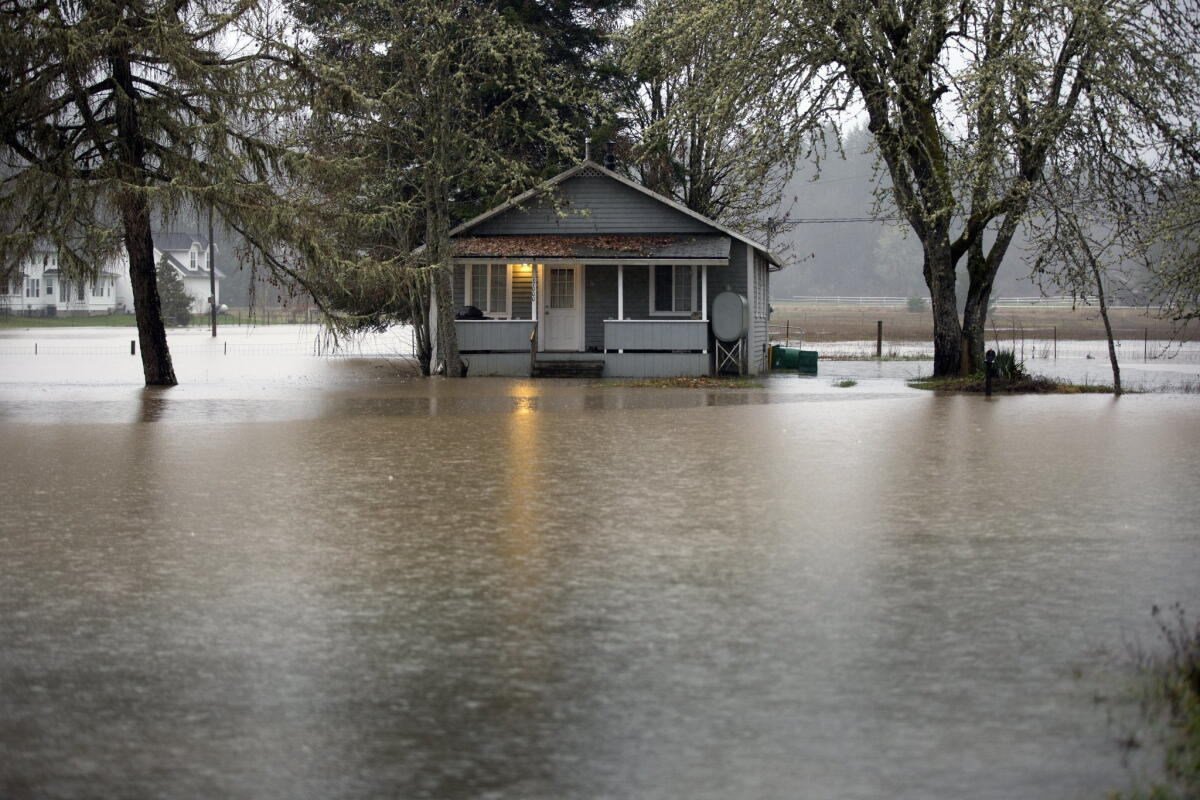
The Oregon coast can still experience powerful storm systems, atmospheric rivers, high surf, sneaker waves, and coastal flooding.
NOAA's 2026–2027 high-tide flooding outlook identifies increased flood-day expectations along the Pacific Coast. Its station-level outlook lets you check locations such as South Beach and Astoria, Oregon. These are predicted high-tide flood days over May 2026–April 2027—not a prediction of continuous flooding all winter, and not a count of every kind of flood.
For approaching storm systems, high surf, and sneaker-wave concerns, check National Weather Service Portland and your local coastal forecast. Those short-term warnings change much faster than a seasonal outlook.
The important takeaway is that seasonal averages don't protect you from individual storms.
Even during a generally warmer or drier winter, one powerful coastal storm can cause serious problems.
If you live near the coast, pay attention to:
- High-tide flooding.
- Coastal erosion.
- Storm surge and large waves.
- Road closures and damaged infrastructure.
- Flooding near rivers and low-lying communities.
- Power outages and disrupted communications.
If you visit the coast, don't underestimate sneaker waves or large surf. Stay well back from the water during hazardous conditions and follow local warnings.
Colorado: When Heavy Rain Turns Into Destructive Flooding
Colorado has already experienced a significant example of what heavy precipitation can do.
The Western Water Assessment's November 10 briefing documents repeated tropical-moisture surges and October flooding in the Four Corners. The Colorado Climate Center's November 11 update describes another destructive round in early November.
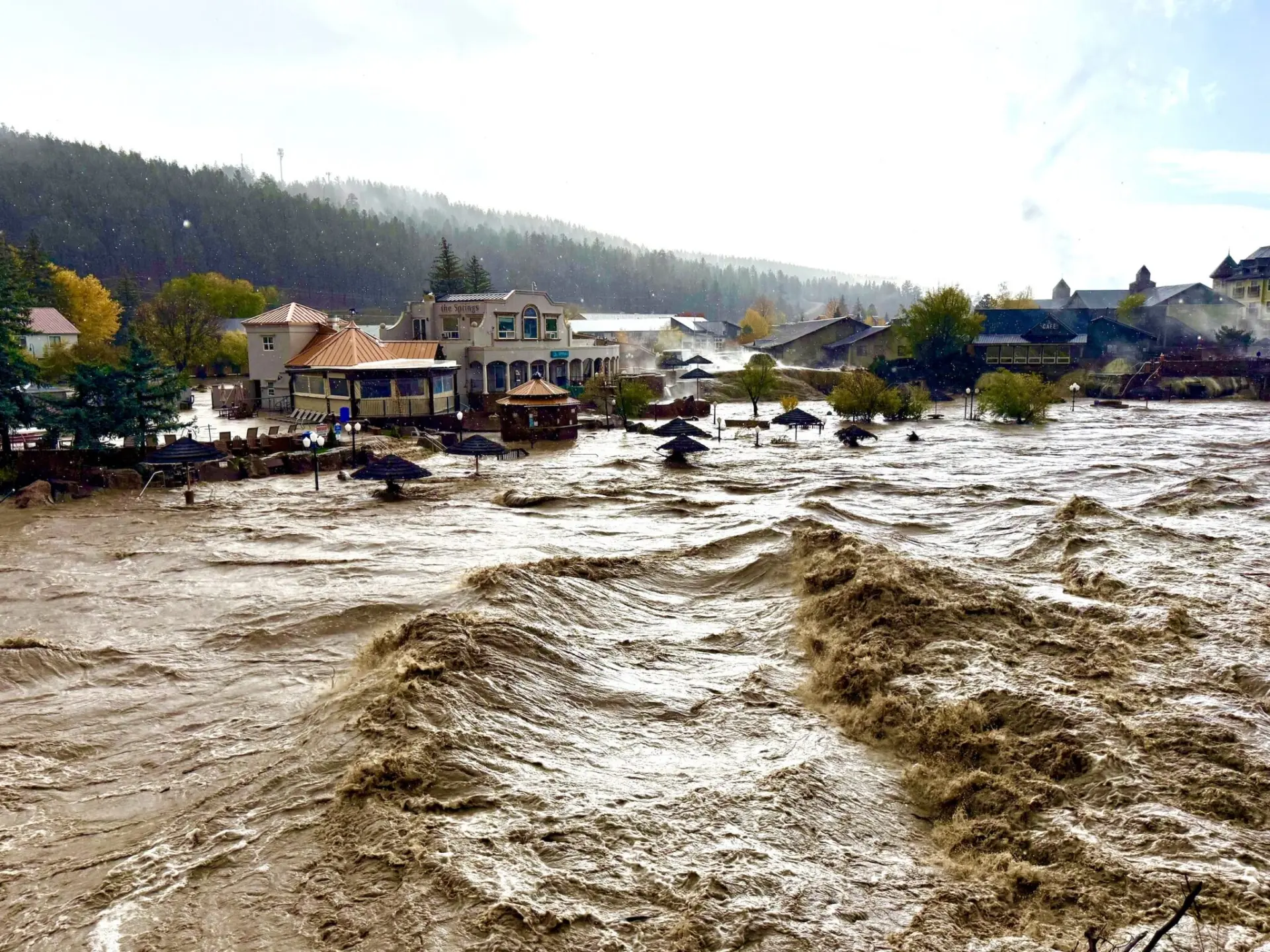
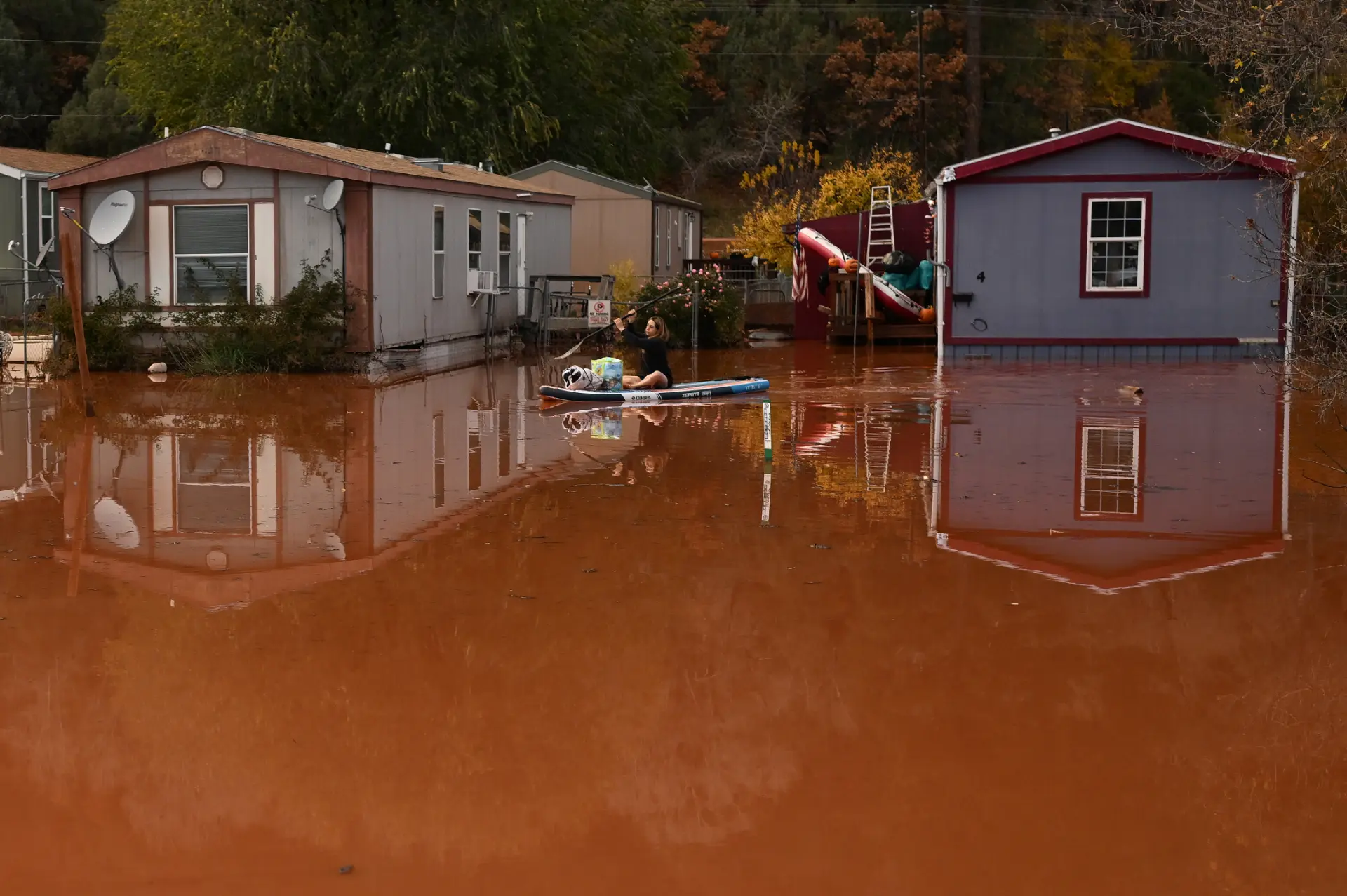
Communities around Pagosa Springs experienced serious flooding. Rivers overflowed, roads and bridges were damaged, homes and businesses flooded, and evacuations were ordered.
The Colorado Climate Center reports that the San Juan River at Pagosa Springs crested even higher in early November than in the preceding October flood, while noting uncertainty from stream-gauge issues. El Niño can influence the background conditions; that does not mean it alone caused these floods.
Some areas received several inches of rain over a short period, with portions of southern Colorado and neighboring regions experiencing record-wet conditions.
The flooding also brought temporary drought relief to parts of the region, demonstrating how a weather event can be beneficial in one respect and destructive in another.
The lesson is important:
Flooding doesn't require a hurricane.
It doesn't require a coastal location.
It doesn't even require living next to a major river.
Heavy rain, saturated soil, overflowing smaller waterways, damaged drainage systems, and sudden runoff can create dangerous conditions.
Colorado residents should pay attention to:
- Flash-flood warnings.
- River and stream levels.
- Saturated ground.
- Road and bridge closures.
- Mountain pass conditions.
- Evacuation notices.
- Contaminated floodwater.
Never drive or walk through floodwater. Even shallow moving water can be dangerous, and floodwater can contain sewage, chemicals, and other contaminants.
What About the Rest of the Country?
El Niño affects different parts of the United States differently.
The southern United States often experiences wetter-than-average conditions during El Niño winters, while parts of the northern United States may experience warmer-than-average temperatures.
But these are broad seasonal tendencies, not guarantees.
The Midwest, Northeast, West Coast, and Mountain West can all experience significant weather events that don't fit the typical pattern.
Your local geography matters just as much as the national forecast.
A household in coastal Oregon has different risks than a household in Colorado, Chicago, Florida, or the Gulf Coast.
The goal isn't to predict exactly what will happen.
The goal is to be prepared for the disruptions that are most likely to affect you.
The Absolute Minimum Every Household Should Have
Let's get to the important part.
If you have no emergency supplies at all, start here.
This isn't an elaborate preparedness plan. These are the basic items that should be in every home.
1. First Aid Kit
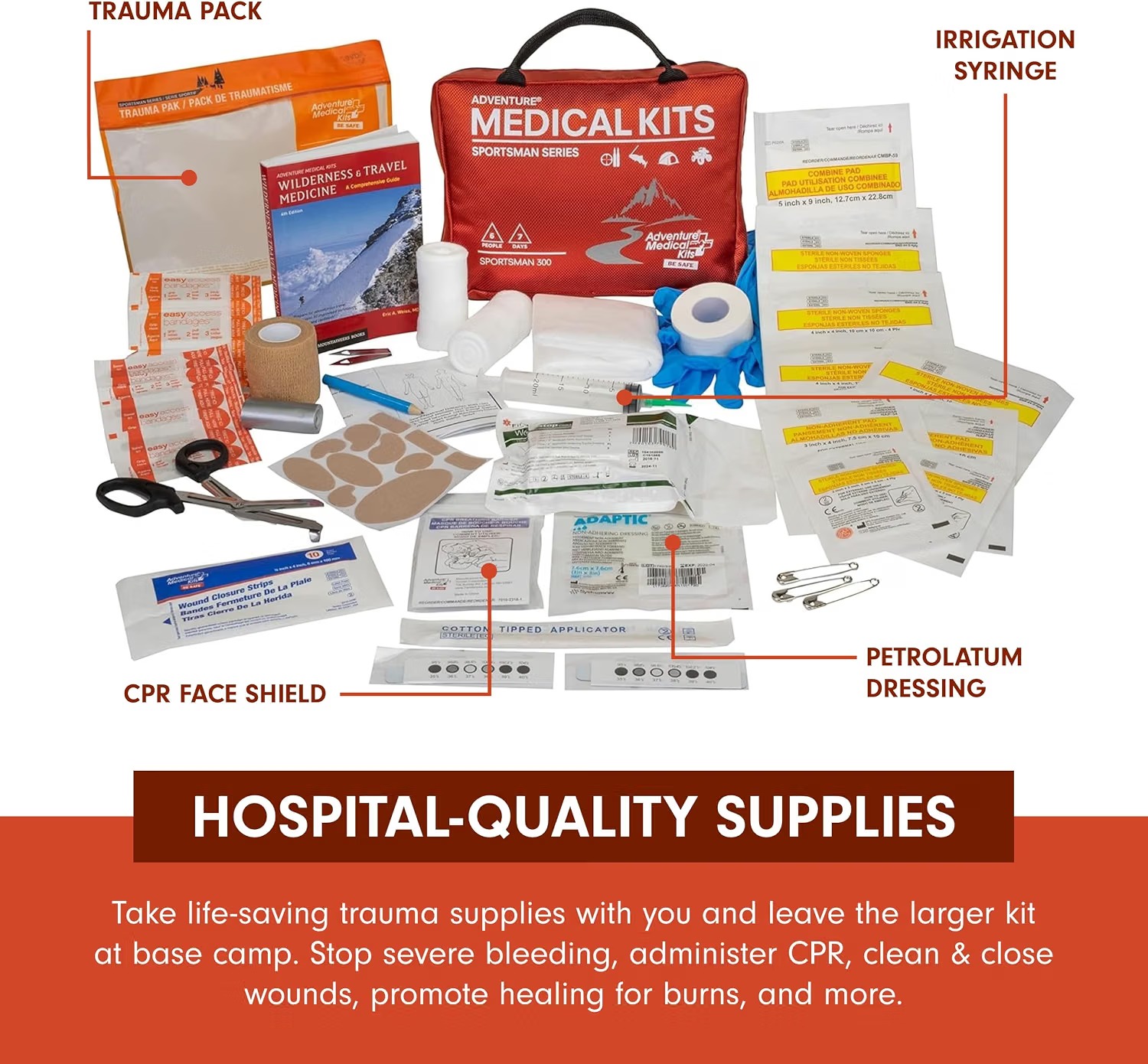
A basic first aid kit should be one of the first things you put together.
You don't need a hospital in a backpack, but you should be able to handle minor injuries and stabilize common problems until professional help is available.
At a minimum, include:
- Adhesive bandages in multiple sizes.
- Sterile gauze pads.
- Medical tape.
- Antiseptic wipes.
- Disposable gloves.
- Elastic bandage.
- Trauma shears.
- Tweezers.
- Antiseptic solution.
- Burn dressings.
- A digital thermometer.
- Basic over-the-counter medications appropriate for your household.
- Any personal medical supplies you regularly need.
Know how to use what you buy.
A first aid kit is considerably more useful when someone in the household has basic first aid training.
AW recommendation: Don't just buy a kit and throw it in a closet. Open it, inventory it, understand what's inside, and replace expired or depleted supplies.
2. NOAA Weather Radio
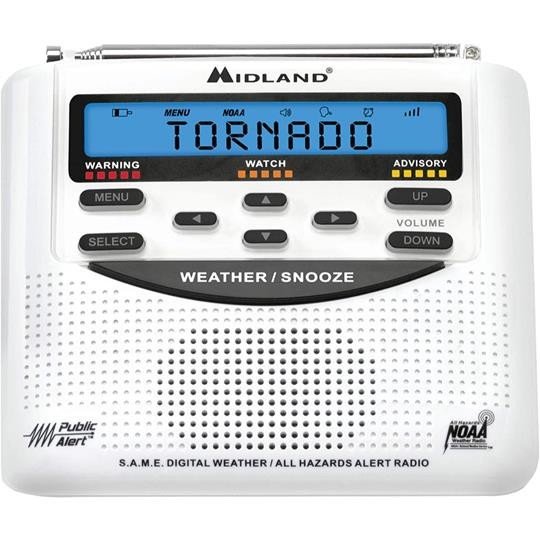
If the power goes out and cellular service becomes unreliable, how will you receive emergency information?
A NOAA Weather Radio is one of the most overlooked pieces of emergency equipment.
NOAA Weather Radio broadcasts weather forecasts, watches, warnings, and other emergency information from the National Weather Service.
Look for a radio with:
- NOAA Weather Radio reception.
- SAME county alert programming.
- Automatic tone alerts.
- Battery backup.
- USB or alternative charging where available.
Keep spare batteries available.
A radio that only works when plugged into the wall isn't much help during a blackout.
This is especially important for people living in areas prone to severe storms, flooding, tornadoes, hurricanes, or winter weather.
3. Water
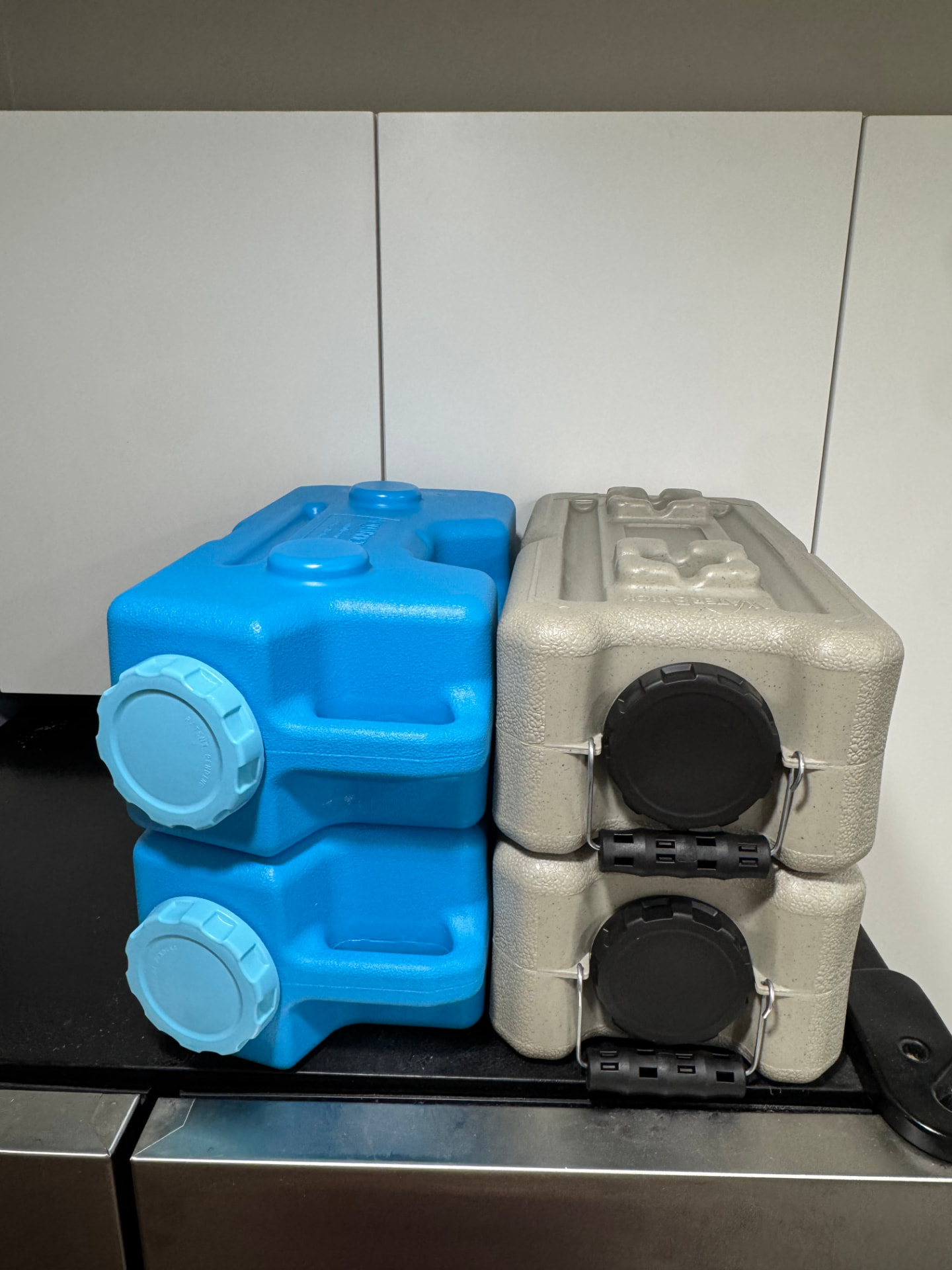
You can go without a lot of things during an emergency.
Water isn't one of them.
The American Red Cross recommends at least one gallon of water per person per day, with a three-day supply for evacuation and a two-week supply for home. Treat three days as your starter minimum, not a complete shelter-at-home target.
At an absolute minimum, aim for:
- Three days of drinking and basic-use water for every person.
- A longer-term goal of two weeks of household water.
That means a family of four should have at least 12 gallons for a three-day emergency.
More is better, especially in hot conditions or when household members have additional medical needs.
Don't forget your pets.
Dogs and cats need clean drinking water too. The amount depends on the animal's size, diet, health, and conditions.
Store water in food-grade containers, keep it away from chemicals, and rotate it according to the manufacturer's recommendations.
If your water supply becomes contaminated, don't assume boiling will remove every contaminant. Follow local public-health instructions.
4. Food for Humans

You don't need expensive freeze-dried meals to get started.
Start with food you already eat.
Keep at least three days of nonperishable food that requires little preparation.
Examples include:
- Canned meat and fish.
- Canned vegetables and fruit.
- Peanut butter.
- Crackers.
- Protein bars.
- Shelf-stable milk.
- Ready-to-eat meals.
- Nuts and dried fruit.
Remember to have a manual can opener.
If you're building a more resilient household supply, work toward two weeks of food.
Consider allergies, dietary restrictions, infants, and anyone with special nutritional needs.
And don't forget that some emergencies involve losing electricity. Food that requires refrigeration or extensive cooking shouldn't be the only thing in your pantry.
5. Food and Supplies for Pets

Your pets are part of your household. They need a preparedness plan too.
If you're evacuating, you should not be scrambling to find food, medication, or a carrier at the last minute.
At a minimum, maintain a three-day supply of pet food and water.
Work toward a two-week supply where practical.
Your pet emergency kit should include:
- Familiar pet food.
- Drinking water.
- Food and water bowls.
- Leash and harness.
- Carrier or crate.
- Waste bags or litter.
- Pet medications.
- Copies of vaccination and medical records.
- Recent photographs of your pet.
- Identification and microchip information.
- A basic pet first aid kit.
Don't assume an emergency shelter or hotel will have supplies for your animal.
Plan ahead for where you and your pets can go if you need to evacuate.
6. Backup Power and Lighting
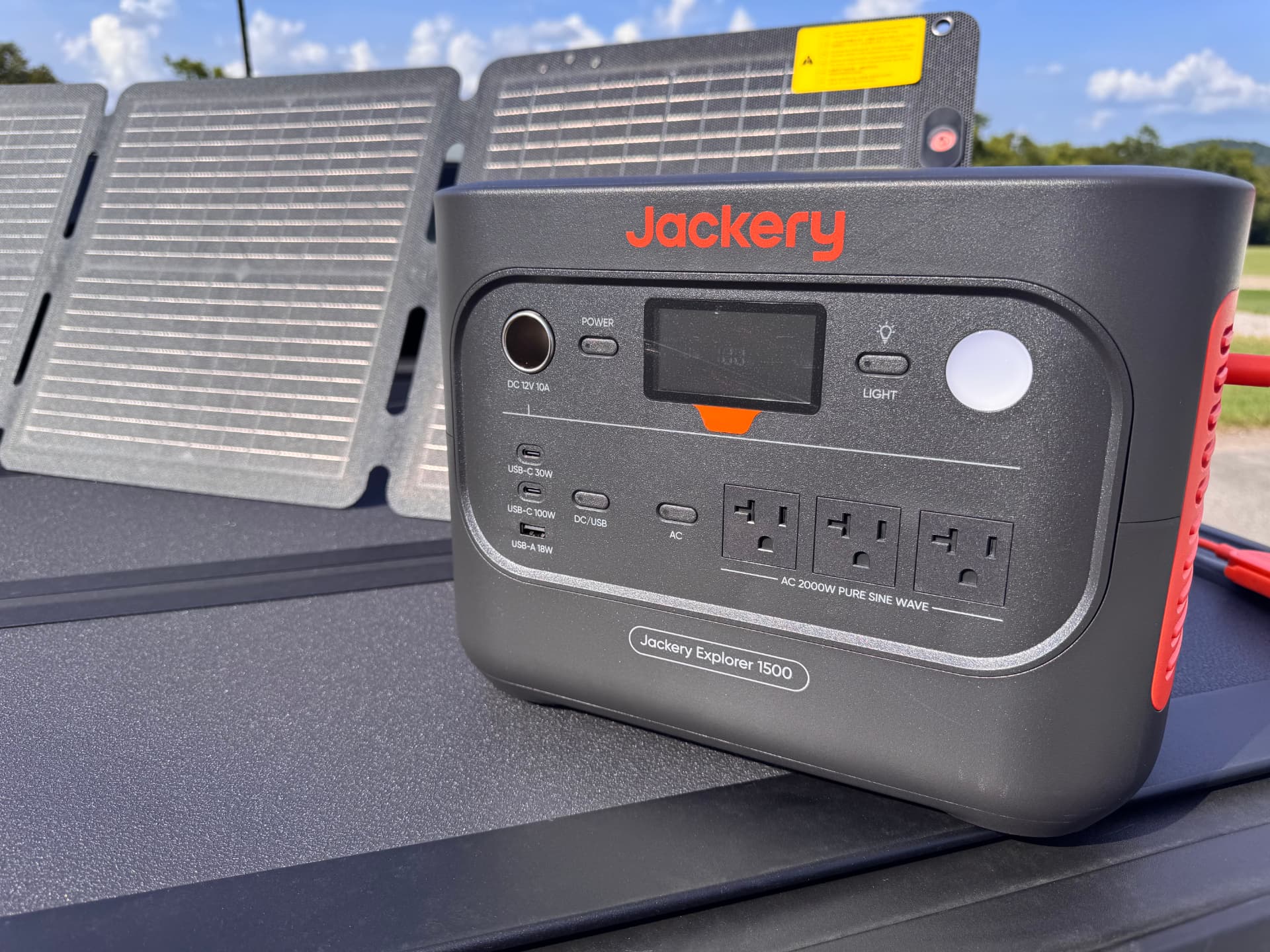
A power outage can turn an otherwise manageable emergency into a much bigger problem.
You lose lighting, refrigeration, internet, charging, and potentially heat or cooling.
You don't necessarily need a whole-home generator.
At an absolute minimum, have:
- A reliable flashlight or headlamp.
- A battery-powered lantern.
- Spare batteries.
- A charged power bank.
- Charging cables for your essential devices.
- A backup way to charge your phone.
- A plan for keeping critical medical equipment powered.
If you can afford it, a portable power station can provide a useful additional layer of resilience.
For larger power needs, a properly installed and safely operated generator may be appropriate.
Important generator safety: Fuel-burning generators must remain outdoors, at least 20 feet from doors, windows, and vents. Never run a generator inside a home, garage, or enclosed space. Install working carbon monoxide alarms.
If you depend on electrically powered medical equipment, calculate its power requirements and establish a backup plan before an outage occurs.
7. Medications and Personal Medical Supplies
This is one of the easiest preparedness categories to overlook.
If you rely on prescription medication, an emergency can become a medical problem very quickly.
Keep an appropriate reserve of medications when permitted by your prescription and insurance arrangements.
The American Red Cross emergency supply list recommends a seven-day supply of medications. Ask your prescriber or pharmacist about a safe reserve; follow prescription rules, insurance limits, and storage requirements.
Also consider:
- A printed medication list.
- Dosage information.
- Prescribing physician and pharmacy contact details.
- Spare glasses or contact lenses.
- Hearing aid batteries.
- Medical devices and their backup power needs.
- Copies of important medical records.
Some medications require refrigeration. Understand their storage requirements and ask your pharmacist what to do during an extended power outage.
Don't wait until a storm is approaching to refill an essential prescription.
The Minimum Preparedness Checklist
Here is the basic list. If you can't check these off, you have some work to do.
People — size supplies for everyone:
- First aid kit and basic knowledge of how to use it.
- At least three days of drinking water.
- At least three days of nonperishable food.
- NOAA Weather Radio with battery backup.
- Flashlight or headlamp.
- Spare batteries.
- Charged power bank and charging cables.
- At least seven days of essential medications, where possible.
- Important medical information and emergency contacts.
Pets — include each animal:
- Three days of pet food.
- Drinking water.
- Medication and medical records.
- Leash, harness, or carrier.
- Waste bags or litter.
- Identification information.
Household — shared equipment and plans:
- Emergency contact and evacuation plan.
- A way to receive alerts if the internet is down.
- Backup lighting.
- A plan for refrigeration and essential medical equipment.
- Knowledge of local flood, storm, and evacuation risks.
Three days is the starting point, not the finish line. If you can, build toward two weeks of household food and water and a more complete emergency supply.
What You Should Do Before the Next Storm
Supplies are only one part of preparedness.
Take a few minutes to do the following:
- Sign up for local emergency alerts.
- Find your county's evacuation information.
- Identify nearby rivers, creeks, flood-prone roads, and low-lying areas.
- Check your insurance coverage, including whether you have flood insurance where appropriate.
- Make sure you know how to shut off utilities if instructed and if it is safe to do so.
- Keep your vehicle reasonably fueled during periods of severe weather.
- Make a plan for pets and family members who may need additional assistance.
- Check your emergency supplies and replace anything expired or depleted.
Don't wait until a warning is issued to figure out where your emergency kit is.
Find Out What You're Missing
Preparedness looks different for every household.
A family with three children and two dogs has different needs than a single person living in an apartment. Someone in a flood zone has different priorities than someone living in an area where winter storms and prolonged power outages are more common.
We've built a few tools at Apocalypse Warehouse to help you figure out where to start.
Test Your Blackout Readiness
What happens when the power goes out for 24 hours? Three days? A week?
Use our Blackout Simulator to explore a prolonged outage, identify preparedness gaps, and see practical next steps. It is a readiness simulation, not an electrical load calculator.
Assess Your Overall Preparedness
Not sure where your biggest gaps are?
Our Preparedness Assessment helps you evaluate your current level of readiness and identify areas that need attention.
Take the Preparedness Assessment
Don't Forget Your Pets
Your emergency plan isn't complete if your animals aren't included.
Use PET READY, our Pet Readiness tool, to evaluate your pet's emergency preparedness and identify what you should have ready before an evacuation or disaster.
The Bottom Line
El Niño is here, and the weather patterns developing across the country are worth paying attention to.
Some communities are already dealing with flooding and infrastructure damage. Others may experience coastal flooding, severe storms, winter weather, or extended power outages as the season progresses.
We can't control the weather.
We can't predict exactly which community will be affected next.
But we can control whether our households are prepared when something happens.
You don't need to spend thousands of dollars. You don't need a bunker. You don't need to buy every piece of equipment on the market.
Start with water. Food. First aid. A way to receive emergency information. Backup lighting and power. Your medications. And supplies for the animals that depend on you.
Build from there.
The best time to prepare is before the forecast turns into a warning.
Prepare for Tuesday. Ready for Doomsday.