Inside Vivos xPoint
Hundreds of former military bunkers. Thousands of acres. One of the world's most ambitious survival communities.
Location
South Dakota, USA
Site Size
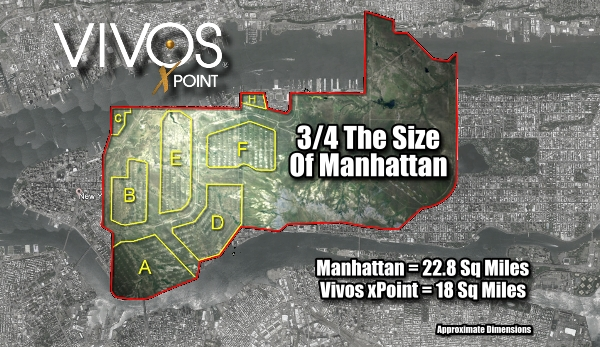
~18 sq miles
Structures
500+ Bunkers
Original Purpose
Army Munitions Storage
Current Use
Survival Community
Visit Website
TerraVivos.comImagine owning your own reinforced concrete bunker.
Not buried beneath your backyard.
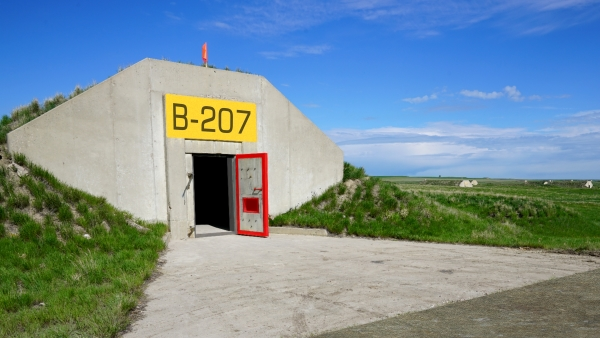
An actual former military bunker built by the U.S. Army.
That's the idea behind Vivos xPoint.
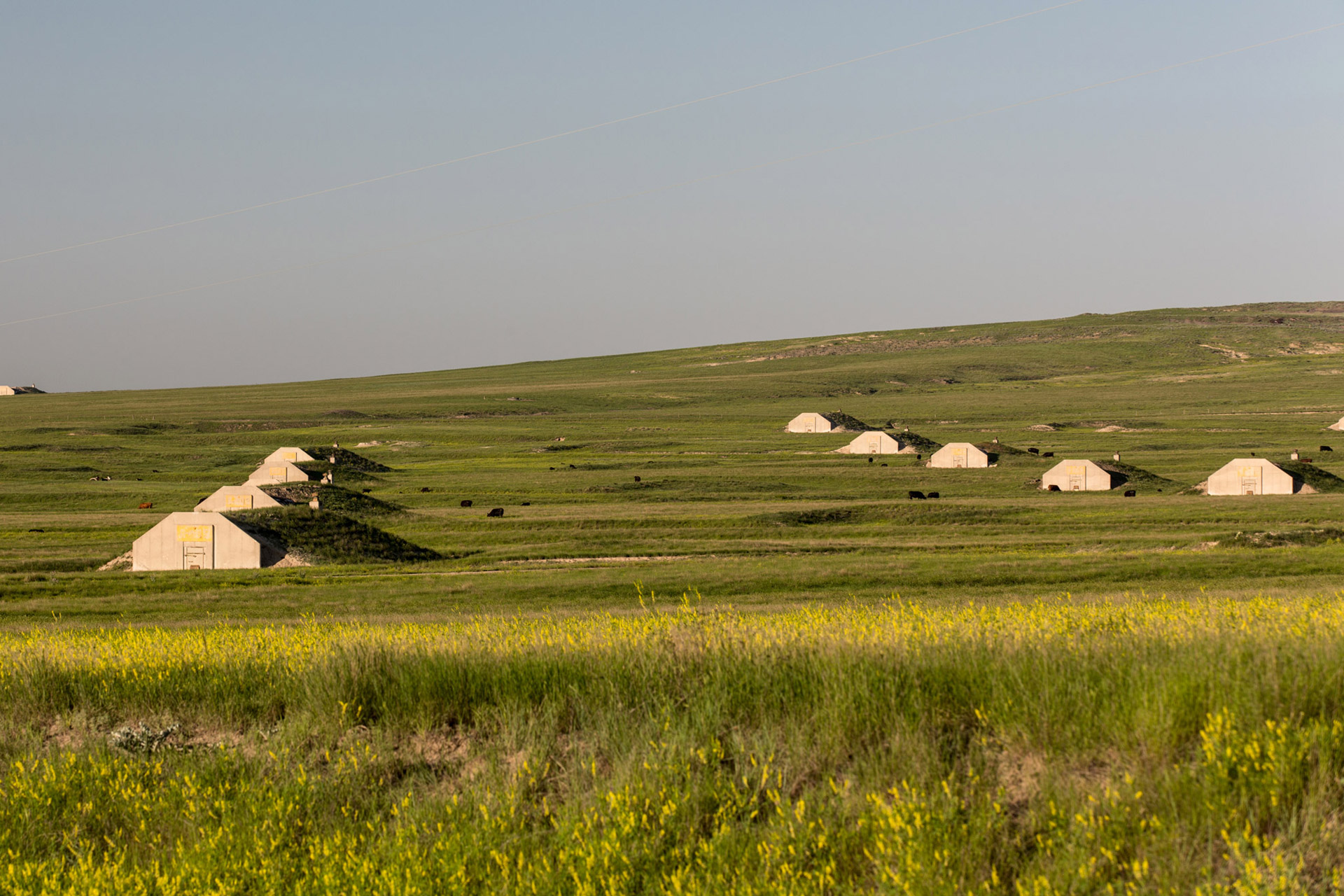
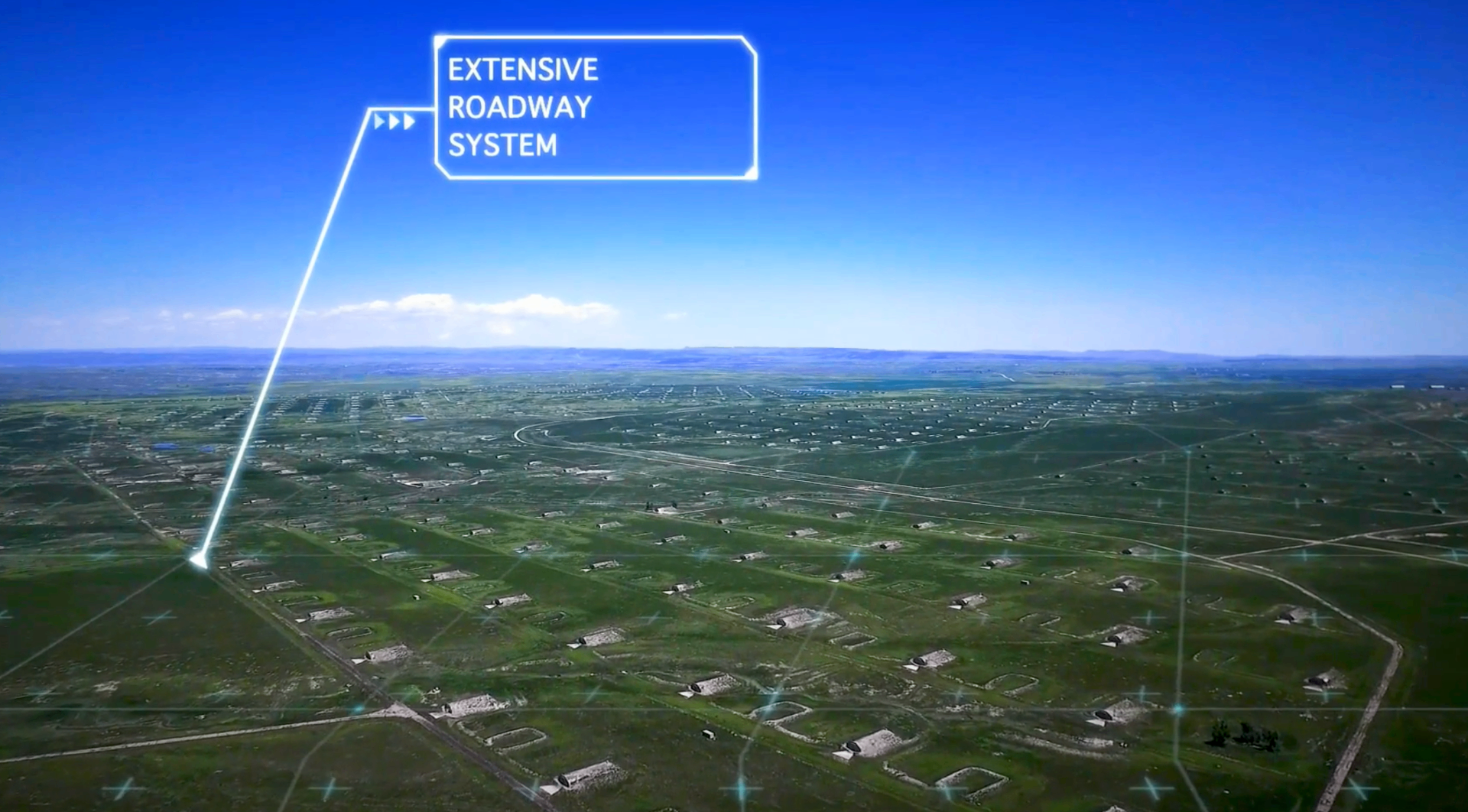
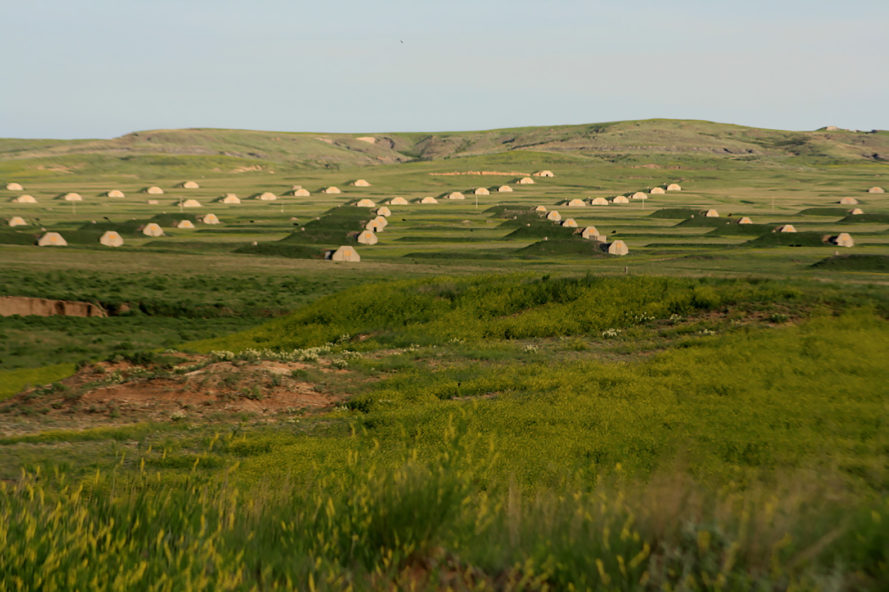
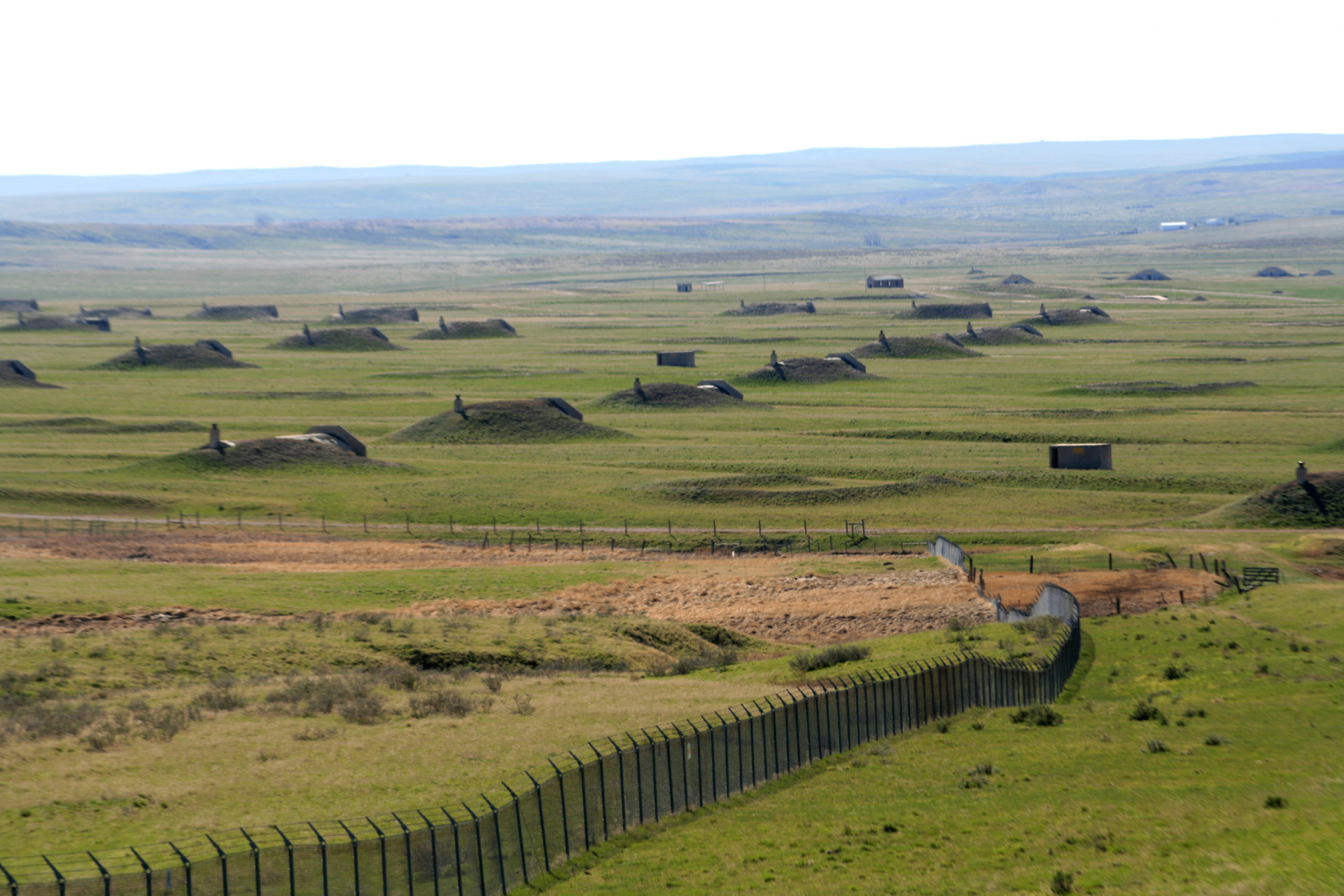
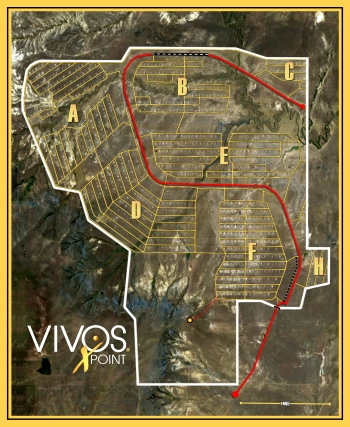
Spread across thousands of acres in South Dakota, the property contains hundreds of surplus military storage bunkers that buyers can customize into emergency shelters, vacation retreats, off-grid homes, or long-term preparedness compounds.
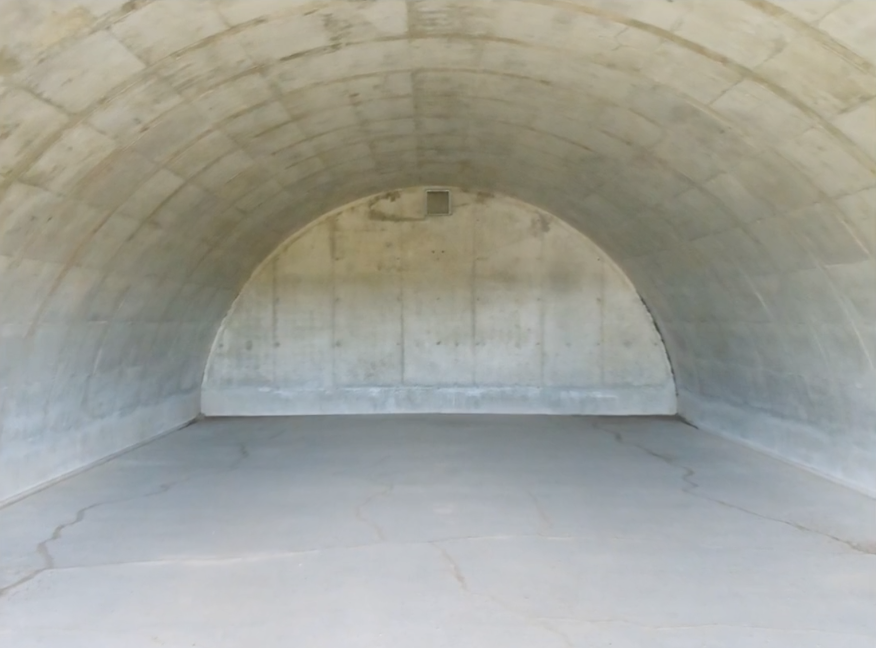
Some remain little more than concrete shells.
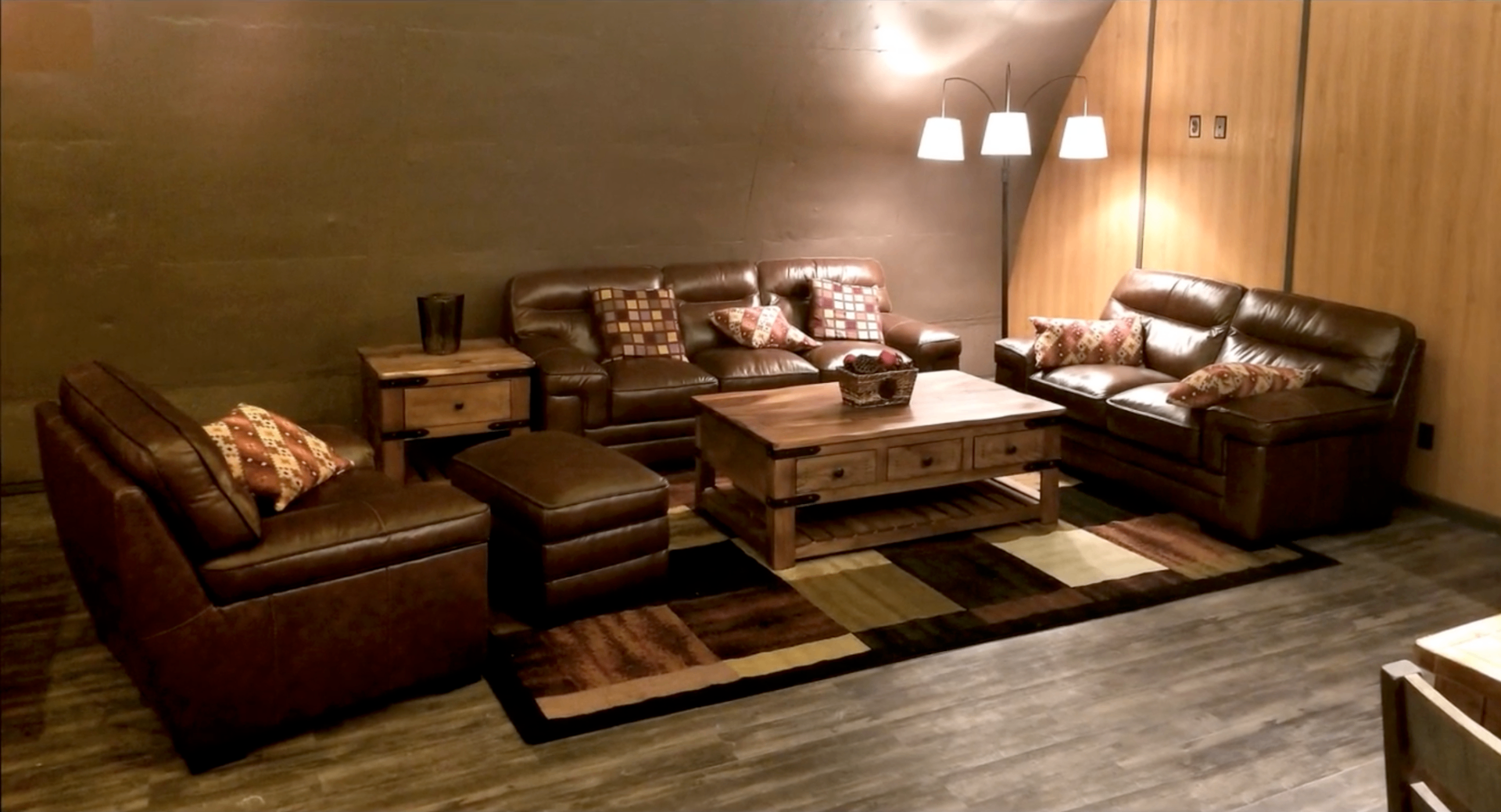
Others have been transformed into surprisingly comfortable underground homes.
Together they create one of the most unusual preparedness communities in the world.
01
What Is Vivos xPoint?
Long before survival communities became popular online, this property served a military purpose.
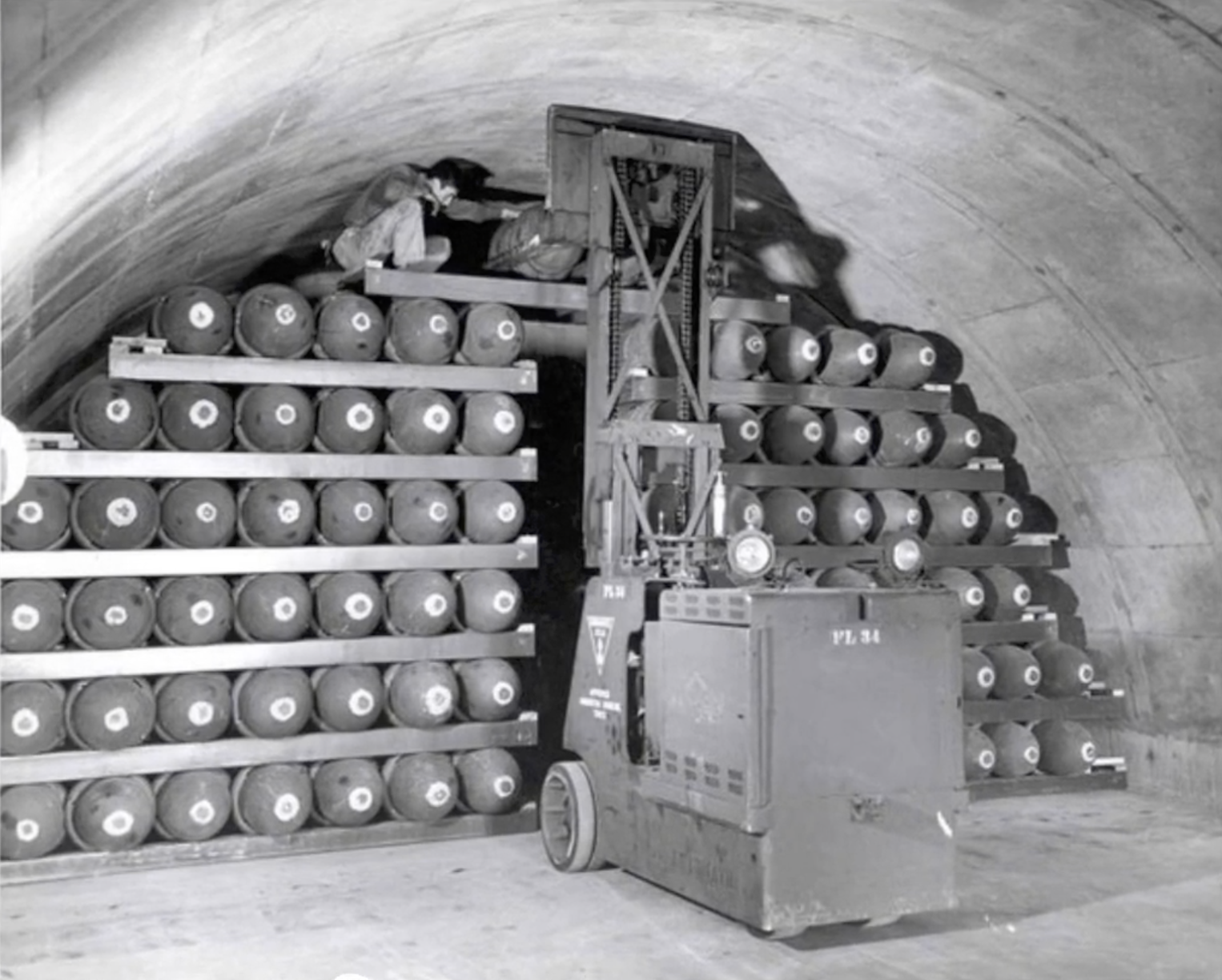
For decades, reinforced concrete bunkers stored conventional munitions across a vast section of South Dakota.
After the base was decommissioned, the bunkers remained.
Rather than demolishing them, the site eventually became available for private ownership.
Today, Vivos xPoint offers individuals the opportunity to purchase or lease these former military structures and transform them into whatever fits their preparedness goals.
02
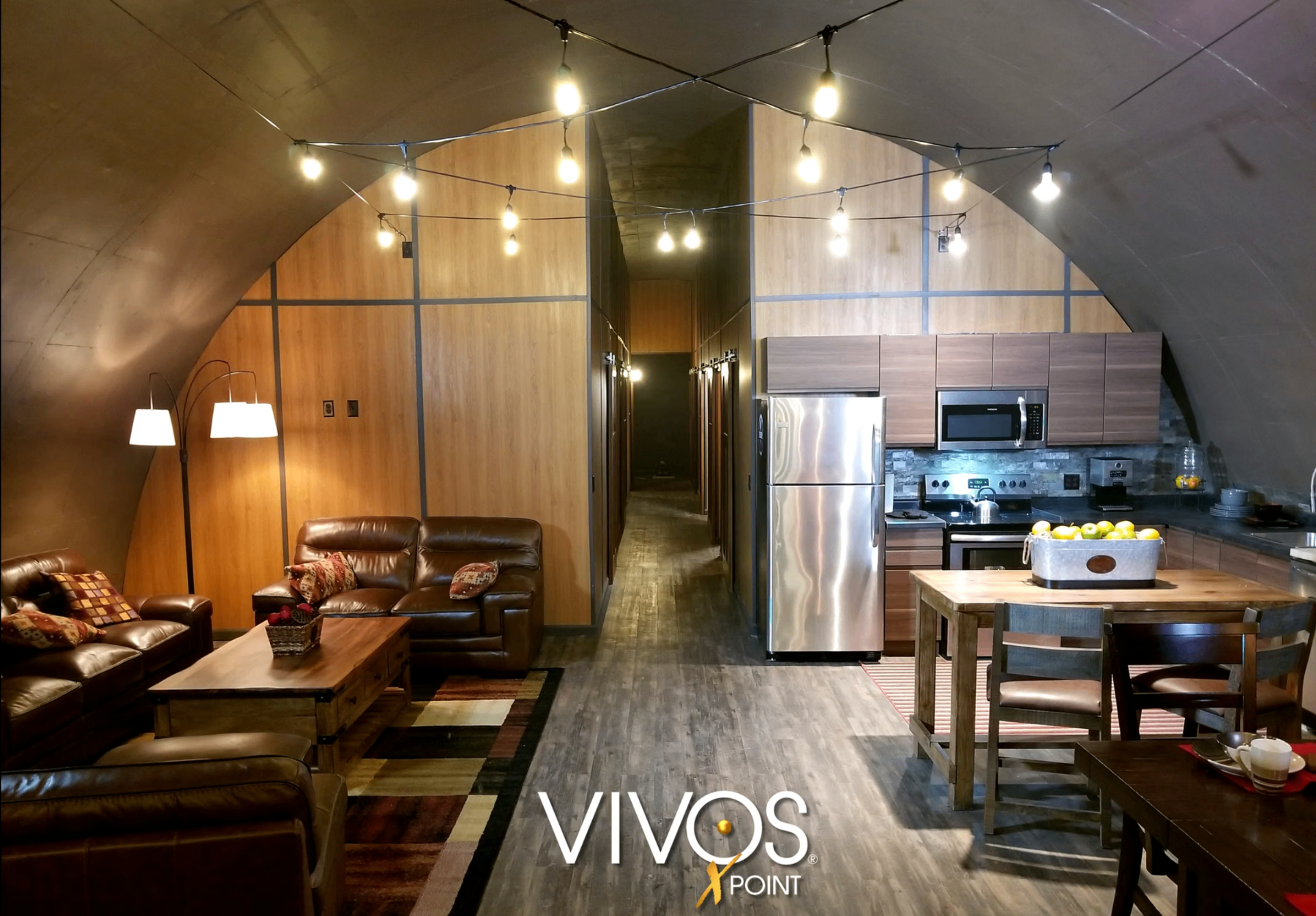
A Blank Canvas
Unlike the Survival Condo Project, Vivos doesn't sell a finished lifestyle.
It sells potential.
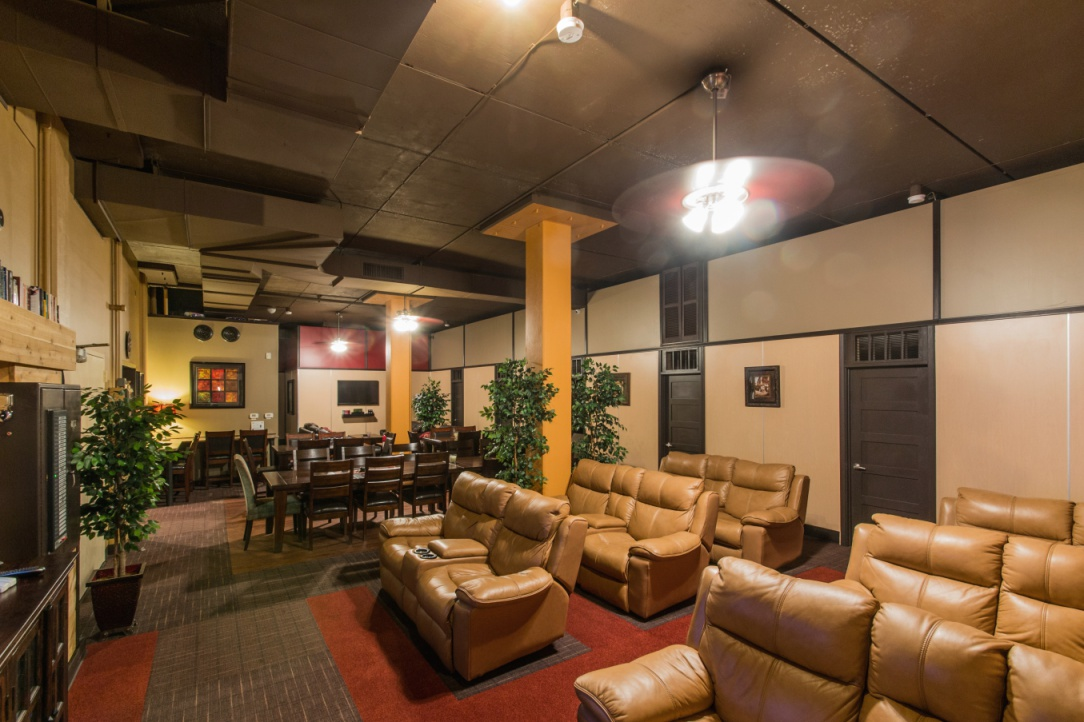
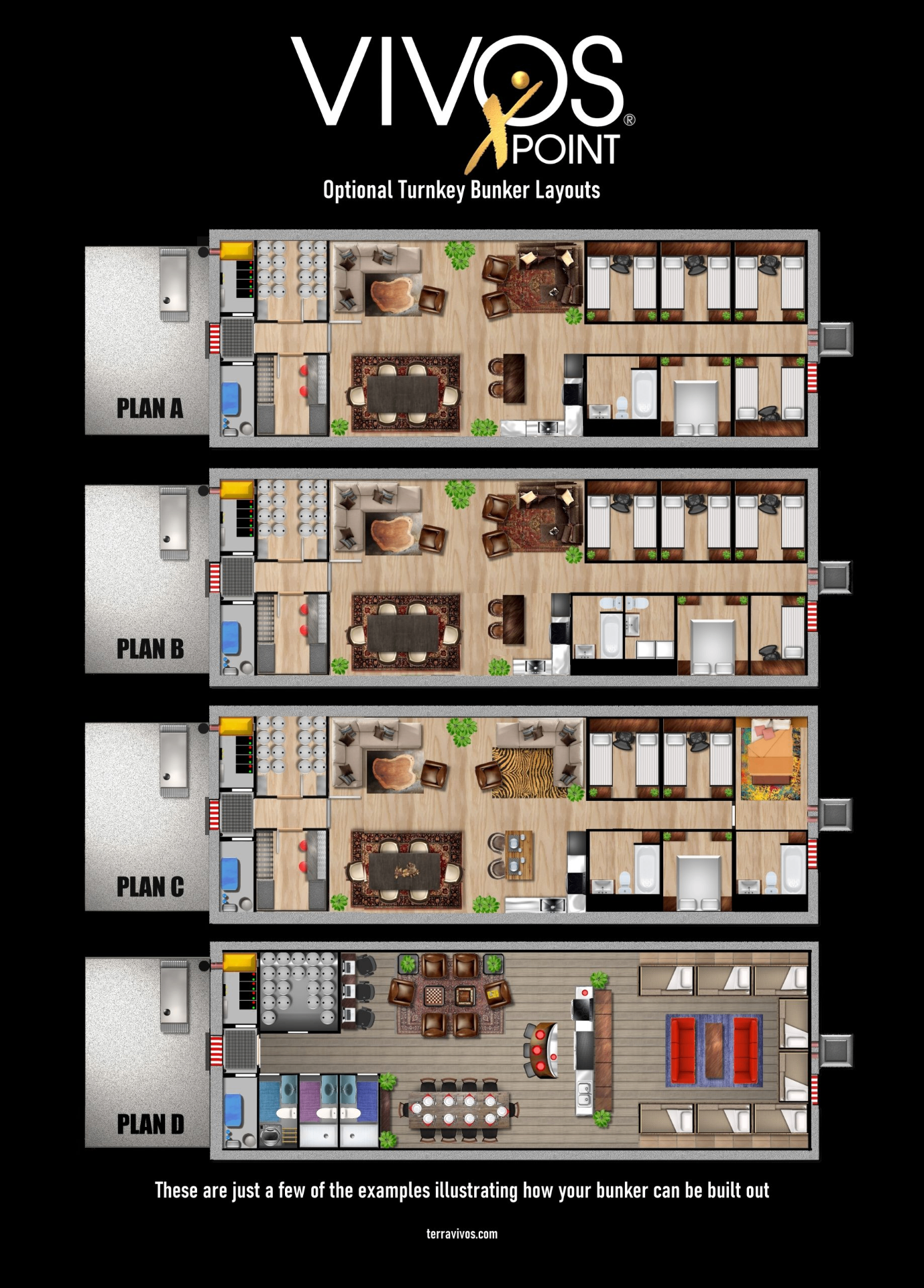
Some owners install solar power, water storage, bedrooms, and kitchens.
Others leave their bunker largely untouched for emergency use.
No two conversions look exactly alike.
That freedom is one of the project's biggest attractions.
03
Life Above Ground
One misconception about bunker living is that everything happens underground.
In reality, much of life still happens outside.
Owners maintain vehicles, solar arrays, gardens, workshops, and outdoor gathering spaces.
The bunker provides protection.
The surrounding property provides room to build a lifestyle.
04
Preparedness Through Redundancy
Every strong preparedness plan reduces dependence on outside systems.
Owners commonly integrate:
- Solar power
- Battery storage
- Backup generators
- Rainwater collection
- Water storage
- Food storage
- Satellite communications
- Workshop space
The bunker becomes only one piece of a larger preparedness strategy.
05
Community
One of Vivos xPoint's most unique features isn't the concrete.
It's the people.
Unlike an isolated bunker on private land, owners become part of a community where neighbors often share similar interests in preparedness, off-grid living, and self-reliance.
Some people see that as an advantage.
Others would prefer complete isolation.
Whether community strengthens preparedness is ultimately a personal decision.
06
The Challenges
Preparedness isn't just about highlighting strengths.
It's also about understanding trade-offs.
Building out a bunker requires significant planning and investment.
Utilities don't simply appear overnight.
Climate control, ventilation, electrical systems, plumbing, insulation, and interior construction all require thoughtful design.
The bunker itself is only the beginning.
Turning it into a comfortable place to live is a much larger project.
07
Lessons Worth Borrowing
Most people won't purchase a military bunker.
That's okay.
The value of Vivos xPoint isn't that everyone should copy it.
It's that it demonstrates timeless preparedness principles.
- Buy durable infrastructure
- Build slowly
- Increase redundancy
- Protect critical supplies
- Think in decades rather than days
Those lessons apply whether you're preparing an apartment, suburban home, cabin, or underground shelter.
Preparedness Takeaway
Preparedness doesn't begin with a bunker.
It begins with thoughtful planning.
Vivos xPoint simply provides an unusually durable foundation to build upon.
FINAL VERDICT
Final Verdict
Would We Build Here?
Absolutely—but not for the reason most people think.
Vivos xPoint isn't appealing because it's a turnkey survival community. It isn't. Buying a bunker is only the beginning. The real investment comes afterward, as owners transform reinforced concrete shells into places capable of supporting life for weeks, months, or even longer.
What makes Vivos compelling is the foundation it provides. You aren't starting with a backyard shed or pouring a brand-new underground structure from scratch. You're starting with hardened military infrastructure that has already stood the test of time.
That said, this isn't the right solution for everyone.
If you're looking for a move-in-ready retreat, you'll likely be disappointed. Every bunker requires planning, design, construction, and ongoing maintenance. Water, power, ventilation, insulation, communications, and food storage all need to be thoughtfully integrated. Those challenges shouldn't be underestimated.
But for someone who enjoys building systems, values self-reliance, and wants complete control over how their retreat functions, Vivos offers something increasingly rare: a blank slate with extraordinary potential.
Most readers will never own a former military bunker—and that's perfectly okay.
The real lesson isn't to copy Vivos. It's to think the way its best owners do.
Build deliberately.
Eliminate single points of failure.
Create redundancy wherever it matters.
Focus on resilience rather than fear.
Preparedness doesn't start with concrete walls.
It starts with thoughtful planning.
"Preparedness isn't something you buy. It's something you build—one thoughtful decision at a time."
Continue Exploring
No two bunkers solve preparedness the same way. Compare luxury underground living, historic government shelters, and military conversions to see how different designers have approached the same challenge: building resilience before it's needed.