Buying Guide
The 72 Hour Kit
What to bring and what to ditch.
The Strategy: Ditch the Tactical Fantasy
The single biggest mistake preppers make is confusing "tactical" with "prepared." A MOLLE-covered, coyote-brown ruck screams target to every desperate stranger and every nervous cop within a mile. In a real 72-hour urban or suburban evacuation, your goal is to look like a commuter with a gym bag — not a mall ninja.
Low-profile beats high-speed every single time. The gear below is chosen for one reason: it works under stress and it disappears in a crowd.
The Core System Allocation
| Category | Primary Function |
|---|---|
| 1. Low-Profile Pack | 26L to 40L durable, non-tactical backpack. |
| 2. Water Filtration | Instant micro-filtration plus flexible storage. |
| 3. Shelter & Warmth | Wind, rain, and hypothermia protection under 8 oz. |
| 4. Comms, Power & Light | Weather alerts, phone uptime, hands-free light. |
| 5. Nutrition & Medical | 72 hours of calories + trauma-first medical. |
| 6. Fire & Warmth | Redundant ignition: lighter, ferro rod, and dry tinder. |
| 7. Change of Clothes | Dry socks, base layer, tee, and underwear sealed against moisture. |
Step 1: The Backpack
Your pack is the platform everything else rides on. Pick wrong and none of the other gear matters. Rule out anything with external webbing loops, patch panels, or brand names screaming SPEC OPS.
Top Pick: Osprey Farpoint 40
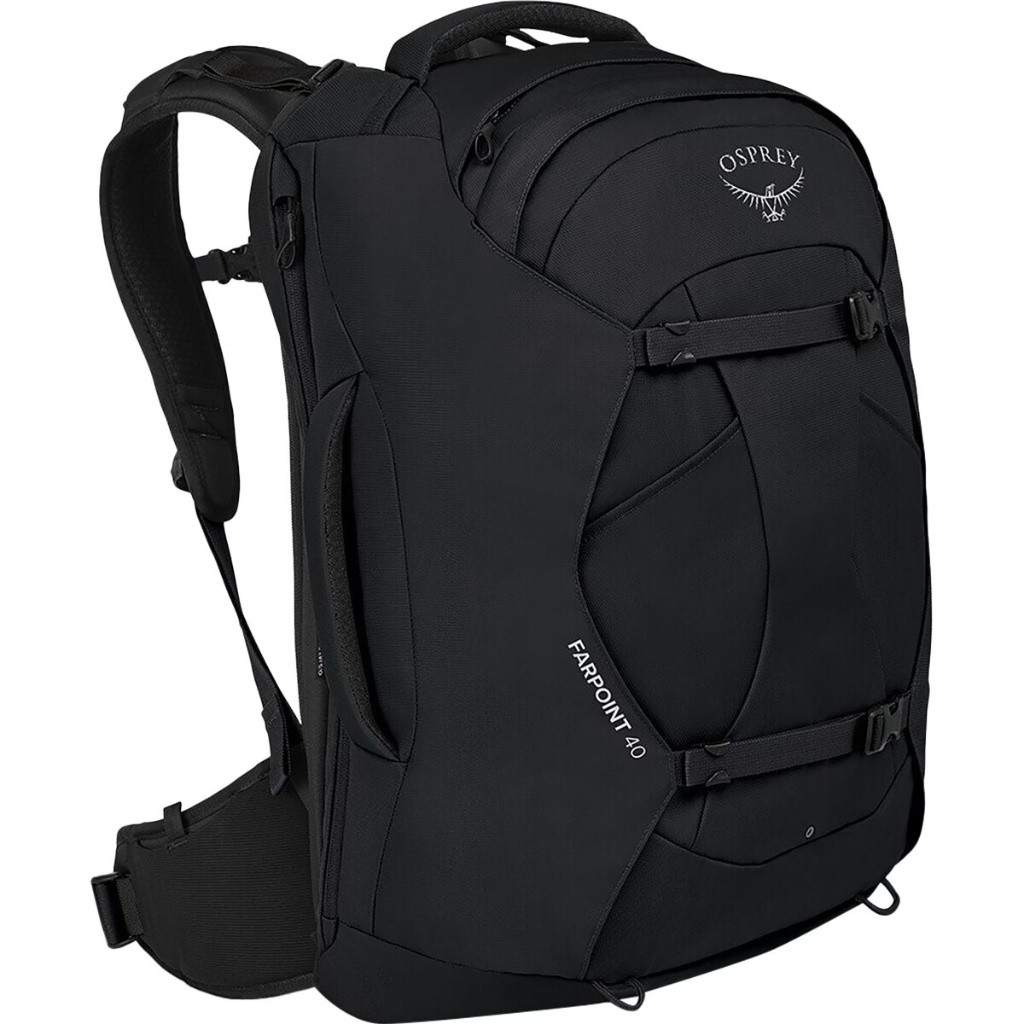
Forty liters is the sweet spot for a 72-hour kit — enough room for water, shelter, food, and a change of clothes without tempting you to overpack. The Farpoint 40 gives you a real hipbelt that moves weight onto your hips, stowable straps, and a clamshell opening that makes packing cubes effortless. Muted gray-green reads hiker, not operator.
Step 2: Water Filtration & Storage
You can go three days without food. You cannot go three days without water. Filter, store, and treat — in that order.
1. Sawyer Squeeze Water Filter System
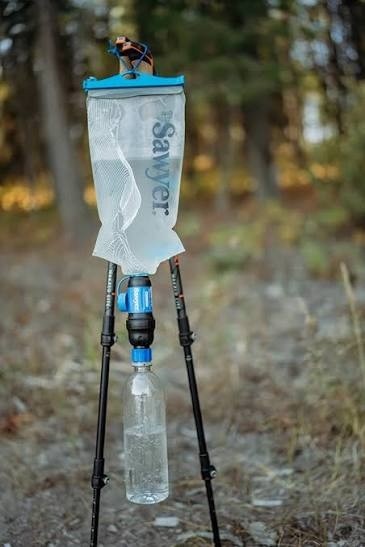
Cheap, indestructible, and rated for 100,000 gallons. Pairs with any smooth-thread bottle and CNOC-style bags. Buy two — one lives in the pack, one lives at home.
2. Single-Wall Stainless 1L Wide-Mouth Bottle
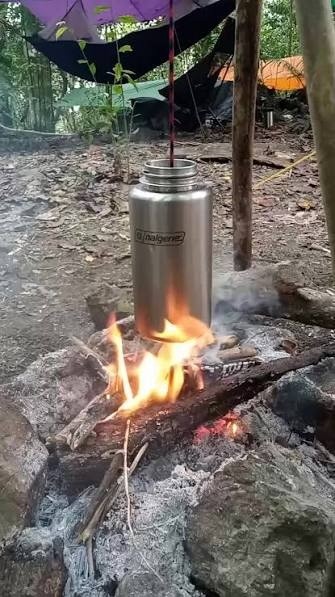
Plastic is fine until you need to boil water to kill viruses your filter can't. Single wall stainless (Nalgene, Klean Kanteen or equivalent) can go directly on coals. Add Aquatabs as a chemical backup. If you are to boil a stainless steel water bottle over a camp fire it is incredibly important it is single wall and not double wall, as double wall can explode
Step 3: Shelter, Warmth, & Weather Protection
Hypothermia kills more evacuees than anything else. Solve it with weight you'll actually carry.
1. SOL Survive Outdoors Longer Emergency Bivvy
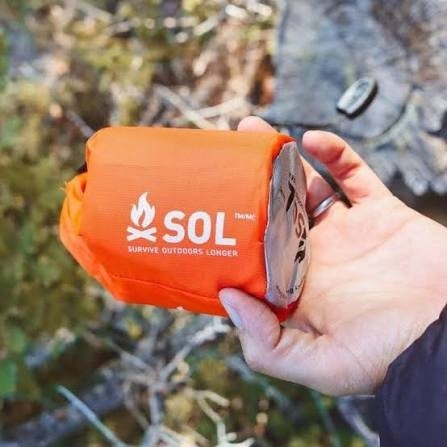
Reflects 90% of body heat, weighs 3.8 oz, packs to the size of a soda can. Not a sleeping bag — a survival envelope for the one night you didn't plan on.
Layer on top: a contractor-grade trash bag (poncho + ground cloth) and a Frogg Toggs rain jacket.
Step 4: Comms, Power, & Lighting
1. Headlamp: Petzl or Nitecore
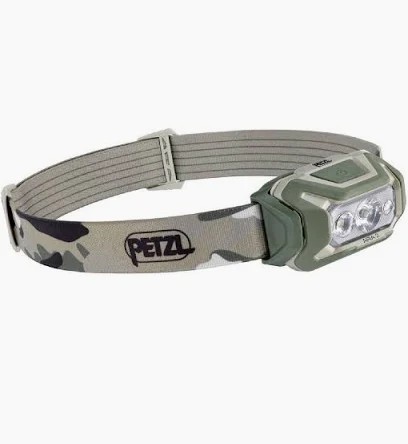
Hands-free is non-negotiable. Red-light mode preserves night vision and — more importantly — doesn't advertise your position from 400 yards.
2. Comms: Midland WR120B
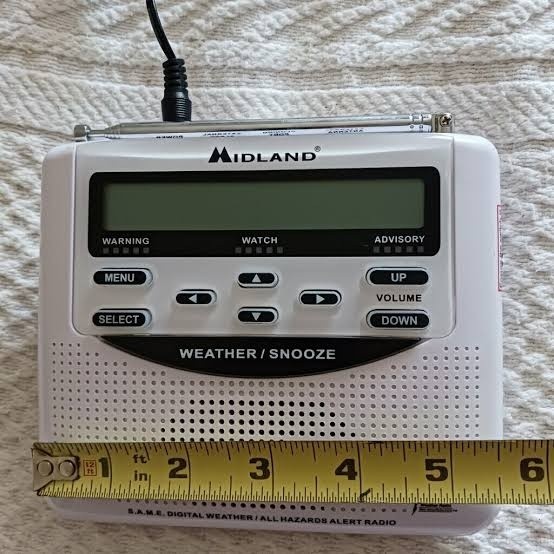
NOAA S.A.M.E. alerts run on three AA batteries for a year of standby. When the grid goes down and your phone is a paperweight, this is how you learn a tornado is inbound.
3. Backup Power: Anker Power Bank
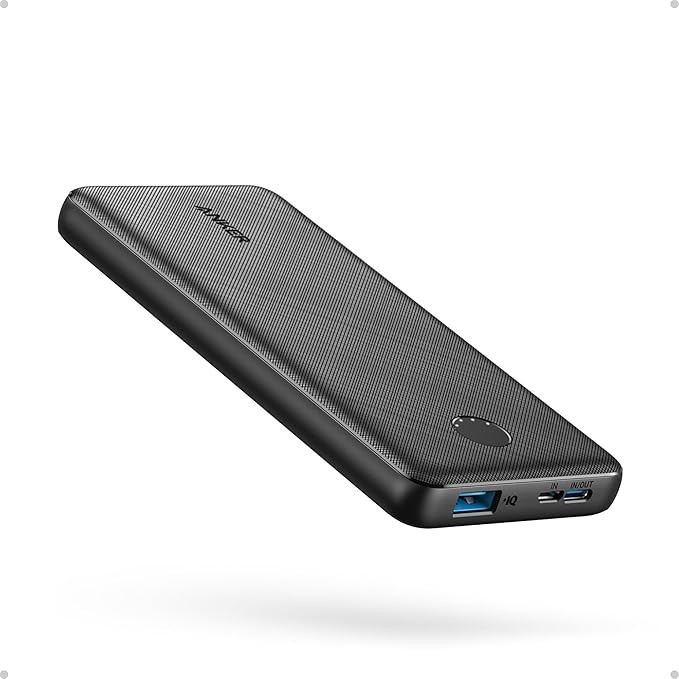
10,000mAh gets you roughly three full phone charges. Pair with a short USB-C cable and — if you can swing it — a small folding solar panel for indefinite operation.
Step 5: Nutrition & Medical
1. Calories
3,600 kcal per person, per day. Datrex bars, Mountain House pouches, or Millennium bars — anything with a five-year shelf life that you can eat cold.
2. First Aid: Compact Trauma Kit
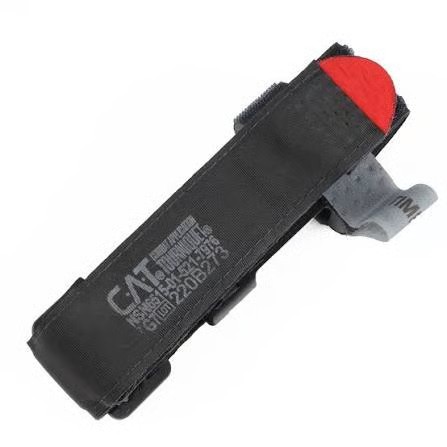
Skip the drugstore boo-boo kit. You need hemorrhage control: a genuine CAT Gen 7 tourniquet, an Israeli bandage, compressed gauze, chest seals, and nitrile gloves. Take a Stop the Bleed class before you need one.
Step 6: Fire & Warmth
Fire is calories saved, morale restored, water purified, and signal made. Carry it in triplicate — primary, backup, and backup-to-the-backup — because a wet thumb on a dead lighter is how people freeze at 34°F.
1. Primary: Bic Classic Lighter
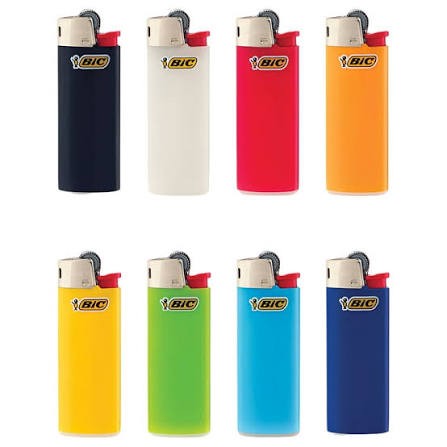
Boring, cheap, and it works. A full-size Bic gives you roughly 3,000 lights and outperforms every "tactical" torch lighter in cold and wind when you shield the flame. Carry two. Store one in a small ziplock so the child-safety guard stays clean, and delete the guard on the working lighter for one-handed strikes.
2. Backup: Ferrocerium Rod
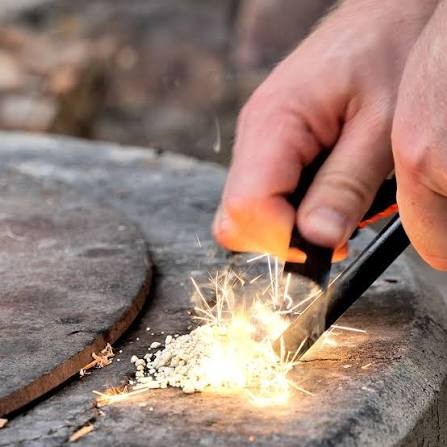
A 1/2" x 5" ferro rod with a hardened striker throws 3,000°F sparks wet, cold, or after a swim in a river. Doesn't leak, doesn't run out of fuel, doesn't care about altitude. Practice with it before you need it — a ferro rod in the hands of someone who's never used one is a paperweight.
3. Tinder: Fatwood + Cotton in a Tin
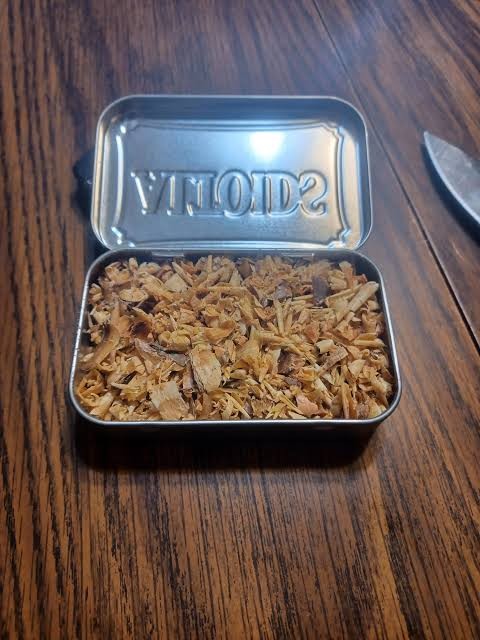
Wet wood is the reason most fires fail. Pre-pack a small Altoids-sized tin with fatwood shavings and vaseline-soaked cotton balls. A single cotton ball burns for 3–4 minutes — long enough to dry and ignite thumb-thick kindling in a downpour.
Step 7: Change of Clothes
Wet feet end expeditions faster than any predator. Hypothermia doesn't need snow — 55°F and damp cotton will do it. One full change of clothes, sealed in a dry bag, keeps you moving when the weather turns.
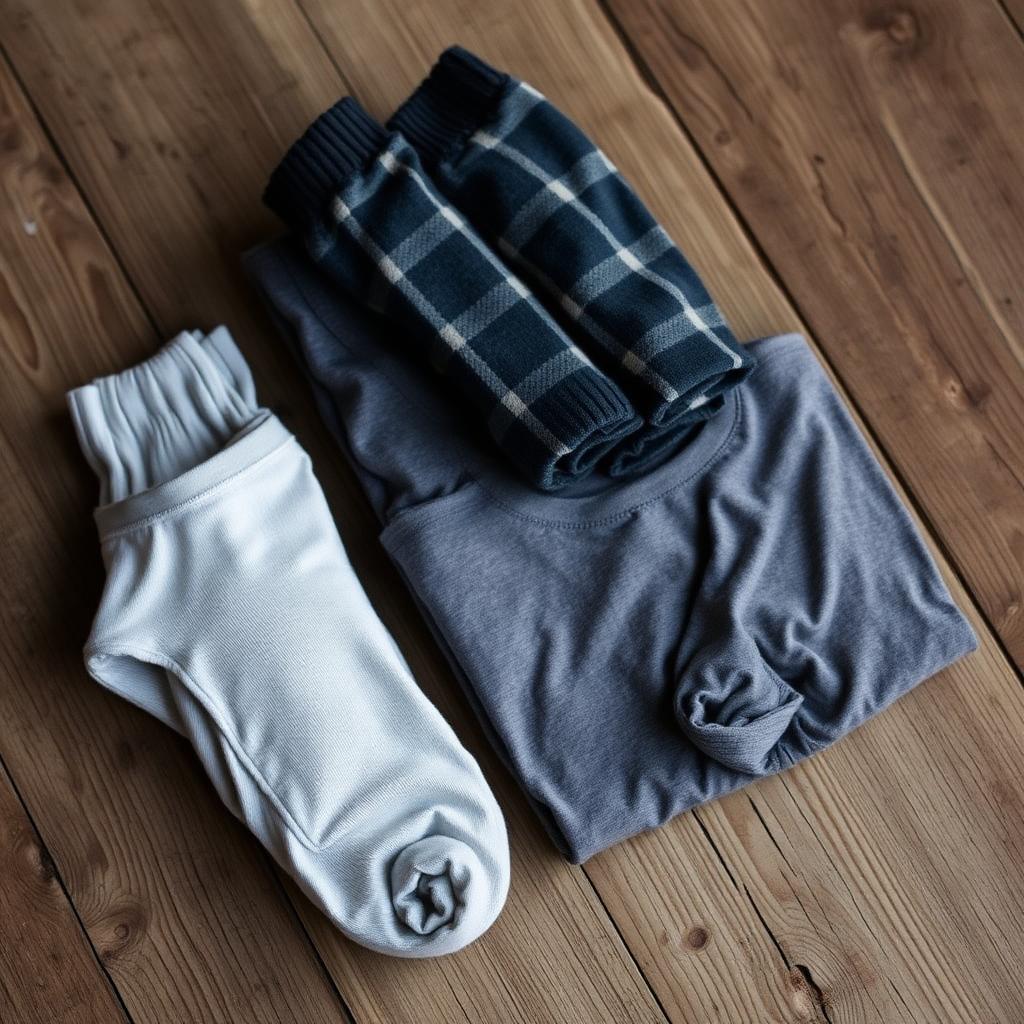
1. Socks: 2 pairs merino wool
Darn Tough or Smartwool mid-weight. Merino keeps insulating when wet, dries fast, and resists stink for days. Cotton socks are a blister factory — leave them home.
2. Base Layer: 1 lightweight top
A merino or synthetic long-sleeve doubles as a warmth layer under your rain jacket and as a clean shirt to sleep in. Nothing kills morale like sleeping in the shirt you sweat through hiking.
3. T-Shirt + Underwear: 1 change each
Synthetic or merino boxer briefs and a plain tee. Chafing at hour 12 will end your evacuation faster than a broken ankle. Rotate: wear one, wash-and-dry the other lashed to your pack.
Pack it right: roll the entire set inside a compression dry bag or contractor bag. If your pack goes in a river, your dry clothes still work.
The 72-Hour Checklist
- Low-profile pack (24–26L Evergoods or 40L Osprey)
- Sawyer Squeeze + 1L single-wall stainless bottle + Aquatabs
- SOL Emergency Bivvy + contractor bag + Frogg Toggs jacket
- Petzl or Nitecore headlamp + spare AAA batteries
- Midland WR120B NOAA weather radio
- Anker Power Bank 10,000 + USB-C cable
- 3 days of shelf-stable calories per person
- Compact trauma kit with CAT Gen 7 tourniquet
- Copies of ID, insurance, and cash ($200 in small bills)
- 2x Bic lighters + ferro rod + fatwood/cotton tinder tin
- Full change of clothes: 2 pairs merino socks, base layer, tee, underwear (in dry bag)
Build the kit. Test the kit. Carry the kit. A perfect loadout in the closet is worth exactly zero at 3 a.m. when the sirens start.
Frequently Asked Questions
Should I keep my 72-hour kit in the house or the car?
If your kit is specifically for evacuation, it should be where you are most likely to leave from. Many people keep a primary kit in the home and a smaller, secondary “Get Home Bag” in their vehicle. Whatever you choose, ensure it is grab-and-go ready.
Why suggest a low-profile backpack instead of a tactical one?
In an emergency, blending in is a security feature. Tactical gear (MOLLE webbing, camo, patch panels) draws unwanted attention. A low-profile bag looks like standard luggage or a commuter pack, allowing you to move through an urban or suburban environment without becoming a target.
How heavy should a 72-hour kit be?
Aim for 15–20% of your body weight. If you weigh 200 lbs, keep it around 30–40 lbs. If you have to walk for miles, an overpacked bag will exhaust you, leading to poor decision-making or injury. Focus on the essentials: water, shelter, warmth, and trauma care.
How should heavy items be packed inside a backpack for optimal ergonomics?
Dense, heavy items should be positioned close to your spine and centered mid-back to maintain a balanced center of gravity and prevent the pack from pulling you backward.
What is the most critical survival resource to prioritize in any 72-hour kit?
Hydration capacity and reliable water acquisition tools take absolute priority, as human survivability drops rapidly within days without clean drinking water.
How should seasonal clothing changes be handled in a static emergency pack?
Rotate your core layers biannually to account for extreme temperature shifts, ensuring you have proper thermal insulation for winter conditions or breathable moisture-wicking layers for summer heat.
Why is food a secondary priority compared to shelter and water in short-term kits?
While hunger causes discomfort and fatigue, the human body can survive for weeks without solid food; environmental exposure and dehydration pose immediate, life-threatening risks within hours.