Gear is great. We love gear. But what is gear without the knowledge of how to use it?
And what better gear to learn how to use than the kind that can save your life, or the life of someone you love, in a dangerous situation?
Owning emergency gear isn't the same thing as being prepared.
Owning tourniquets, Israeli bandages, gauze and other first aid gear without knowing how to use them is like living in a fantasy with no basis in reality.
If you own a tourniquet, you should know when to use it, how to use it, and when not to use it — not just have one rubber-banded to the stock of your gun for "tacticool" points.
Why Take the Course?
To answer those questions and become better prepared for a life-saving emergency, the NOLS Wilderness First Aid course provides an intense two-day, eight-hours-a-day class that immerses the student in real-life scenarios, lectures, demonstrations and hands-on practice. The instructors are a wealth of knowledge, with extensive experience as EMTs and wilderness guides in the backcountry.
There is very little waste or filler. Each minute is packed with practical lessons.
"The wilderness can be anywhere help cannot reach you within a reasonable amount of time."
Having spent years living in a major city, one thing an instructor said really stuck out:
A city can become the wilderness when first responders are tied up in a crisis. Think natural disasters like Hurricane Katrina or major earthquakes. If you can't care for yourself while help can't get to you, what good is that first aid kit?
It's Not Just About the Worst-Case Scenario
Let's take a step back.
A lot of people hear "Wilderness First Aid" and immediately think tourniquets, severe bleeding, broken bones and the worst of the worst.
While all of that is important to know, it's often the little things that can catch up with you in the backcountry — or during an emergency in what becomes the wilderness of your own home.
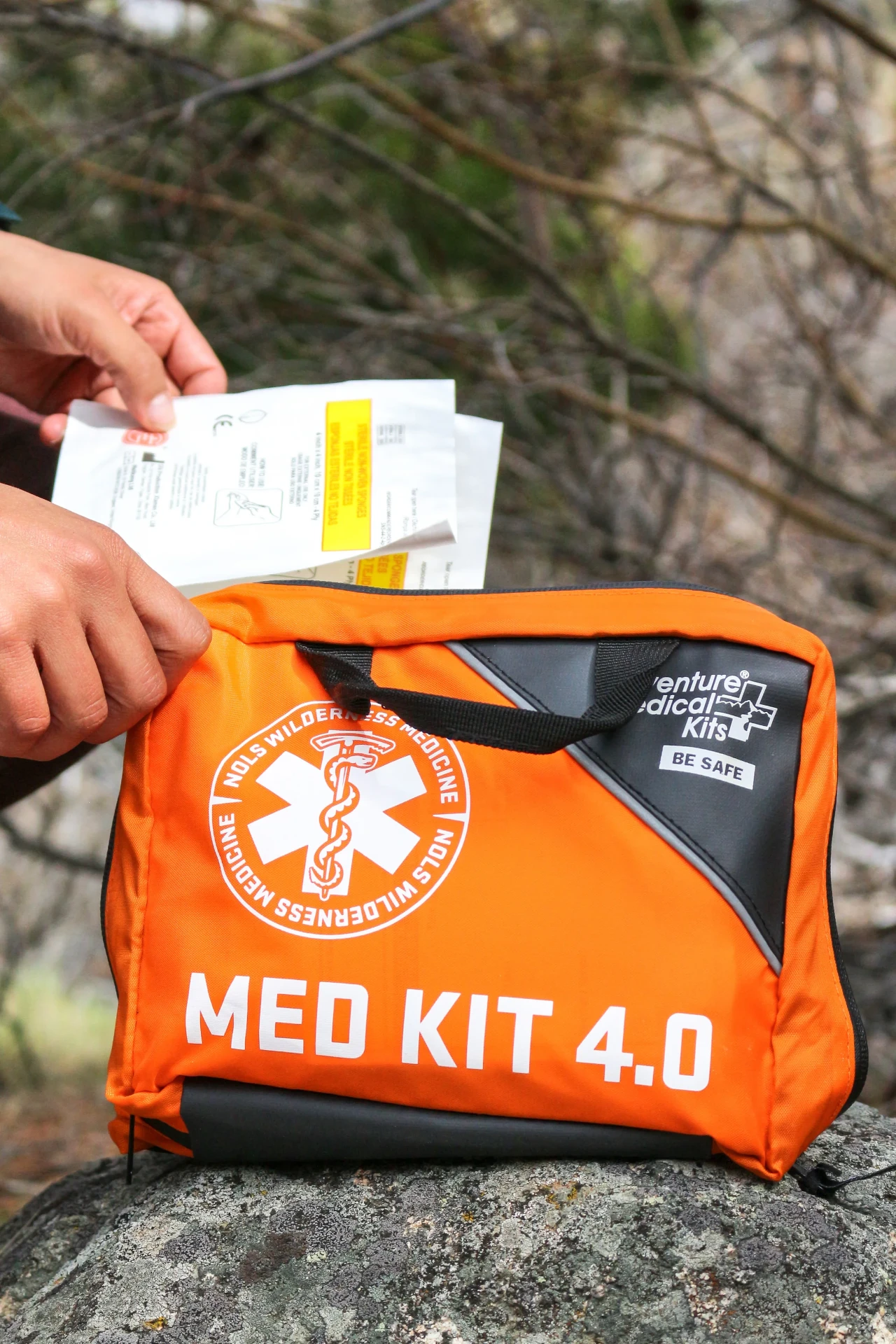
The course covers wound care, preventing infection, recognizing and managing infection, and the much-overlooked art of blister care.
They also teach good hygiene.
"Everything in the backcountry is covered in poop unless proven otherwise."
Wash your hands frequently and strive for as clean and controlled an environment as possible.
These aren't particularly glamorous skills, but they can easily make or break your time in the backcountry.
And Yes, They Teach the Scary Stuff
Don't worry — there's plenty of training for serious injuries, too.
A full half-day is dedicated to traumatic injuries, including supporting the head and spine, splinting suspected fractures, creating makeshift slings and braces, and learning how to stabilize someone after a serious accident.
Basically, all the stuff you dreamed about doing the day you finally get to be the hero.
And NOLS delivers.
You leave feeling like you can actually enter the backcountry and be useful when something goes wrong.
You won't be performing brain surgery or suturing someone up. But you can stabilize an injured person, provide appropriate care and buy them time while help is on the way.
And that, friends, is worth every penny of the $350 this class costs.
Find a NOLS Wilderness Medicine CourseWould You Take It Again?
Absolutely.
Will the wilderness education continue through NOLS with enrollment in Wilderness First Responder?
Already did.