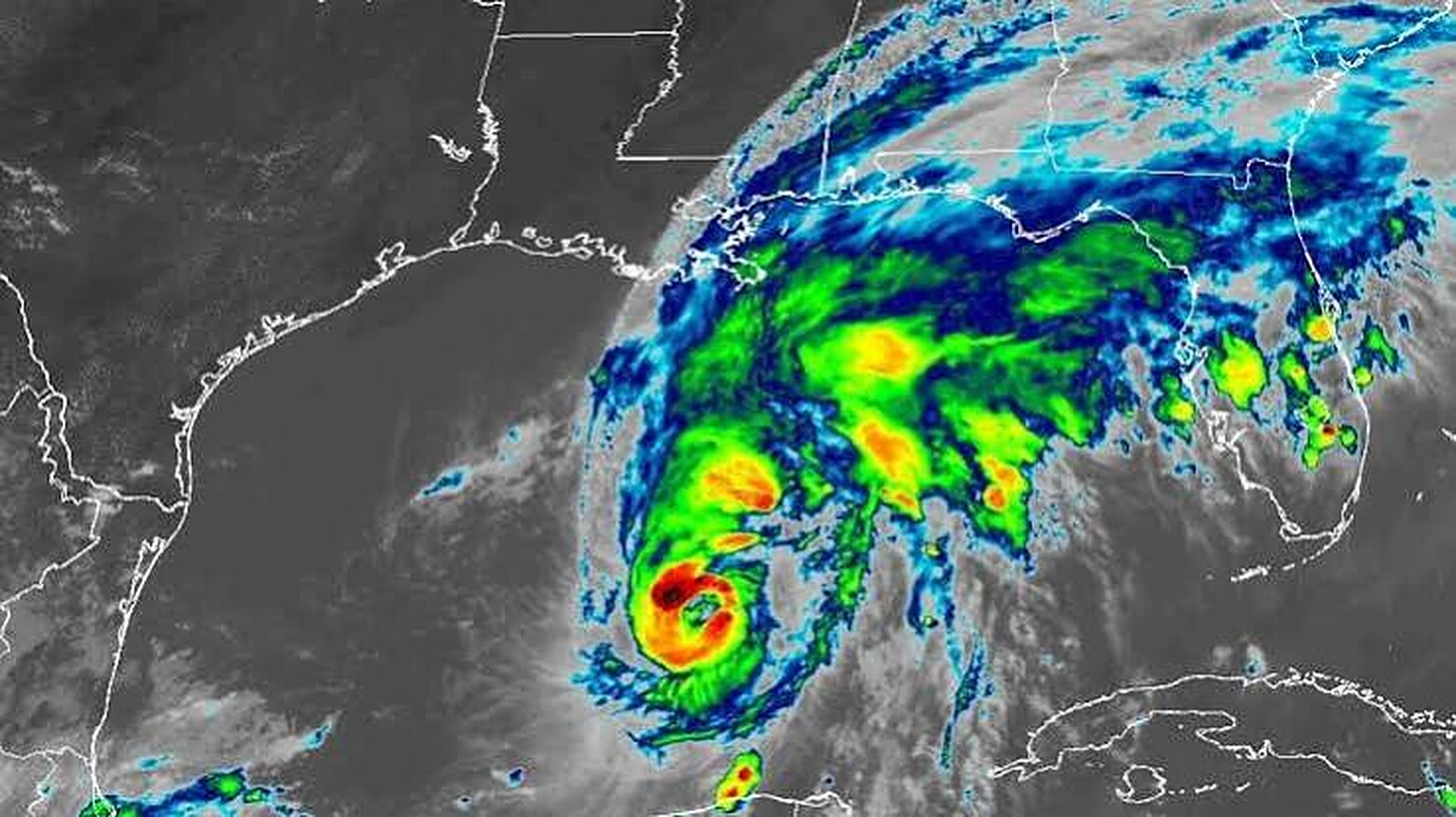
A hurricane struck Florida's Gulf Coast. Heavy rain caused flooding and landslides farther inland. Tornadoes developed in North Carolina. On the opposite side of the country, powerful waves battered Southern California's coastline while Tropical Storm Rachel's effects extended inland across the desert Southwest.
The events of October 6–12 are a reminder that natural disasters rarely stay within neat geographic boundaries. A hurricane can weaken after landfall and still cause dangerous flooding hundreds of miles away. A storm system can produce tornadoes far from its center. And a region accustomed to dry weather can find itself dealing with dangerous flash flooding.
Reporting cutoff: October 12, 2026. Recovery operations and damage surveys were ongoing at publication. Reported figures and preliminary assessments may change.
This article covers a selection of major reported weather events during the past week, not a complete inventory of every weather event in the United States.
Here's what happened, what these events teach us, and what you can do now.
1. Hurricane Isaias Battered Florida's Gulf Coast
Hurricane Isaias made landfall near Destin, Florida, on the evening of October 9 as a Category 2 hurricane, bringing destructive winds and dangerous conditions to the Gulf Coast.
The National Hurricane Center's 9 p.m. CDT update on October 9 reported maximum sustained winds of 100 mph.
Isaias weakened rapidly after moving inland, eventually becoming post-tropical on October 10. But the loss of hurricane status did not mean the danger had passed.
Heavy rain, damaging winds, flooding, and tornado threats continued as the system moved inland.
A Washington Post report published October 10 documented four deaths and nearly 900,000 customers without power at that point. These figures are a historical snapshot from that reporting date, not a current outage or death count.
What Isaias teaches us
A hurricane is more than a wind event.
Storm surge and coastal impacts threaten communities near the Gulf, while heavy rainfall can cause rivers, creeks, drainage systems, and low-lying roads to flood farther inland.
The danger can continue after landfall.
A storm can weaken significantly and still produce damaging weather. Do not assume that a system is harmless because it has been downgraded.
Power outages can become a second emergency.
Without electricity, refrigeration, internet access, charging, and some medical equipment may stop working. Fuel availability and road access can also become problems.
How to prepare for a hurricane
Before a storm threatens your area:
- ■Know whether your home is in a storm-surge evacuation zone or a flood-prone area.
- ■Identify evacuation routes and a destination outside the threatened area.
- ■Keep your vehicle fueled and have a plan for anyone who needs help evacuating.
- ■Secure outdoor furniture, equipment, and loose objects before winds increase.
- ■Store drinking water and shelf-stable food.
- ■Keep medications, identification, insurance information, and essential documents accessible.
- ■Have several ways to receive warnings, including a phone and a battery-powered or hand-crank weather radio.
- ■Plan for pets and identify places where they can stay if you evacuate.
If officials issue an evacuation order, follow it promptly. Do not wait until roads become dangerous or emergency responders can no longer reach your area.
2. Inland Flooding Hit Parts of the Southeast
Some of the most consequential impacts from Isaias occurred well away from the coast.
In western North Carolina, heavy rainfall associated with the storm brought flooding, several landslides, a few rescues, and road disruptions. State officials reported that power outages peaked at just over 22,000 statewide, with approximately half in the mountains.
The state reported that outages had already fallen to just over 10,000 by the morning of October 11 as crews worked to restore service.
The impacts illustrate an important point: communities far from a hurricane's landfall can still face serious hazards.
In mountainous areas, rainwater can collect rapidly in narrow valleys and streams. Saturated slopes can become unstable, while flooded roads may be blocked by debris or damaged pavement.
Why flash flooding catches people off guard
Floodwater can rise quickly. A road that appears passable can become dangerous within minutes, and water may conceal washed-out pavement, debris, or a damaged roadbed.
Flooding also does not require a hurricane. It can occur in urban neighborhoods, rural areas, dry washes, river valleys, and places that have not experienced serious flooding in recent memory.
How to prepare for flooding
- ■Learn whether your home, workplace, or usual travel routes are in a flood-prone area.
- ■Pay attention to Flood Watches and Flood Warnings from the National Weather Service.
- ■Identify higher ground and safe routes away from streams, rivers, and low-lying roads.
- ■Keep important documents and irreplaceable items above potential flood levels.
- ■Review your insurance coverage. Standard homeowners insurance generally does not cover flood damage.
- ■Keep an emergency kit ready so you are not scrambling to gather supplies when a warning is issued.
- ■If you live near a river or creek, understand that water levels may continue rising after rainfall ends.
Moving water can knock people off their feet, and floodwater can carry vehicles away. Even shallow water can conceal hazards or hide damage to a road.
Do not enter floodwater to retrieve belongings, check a vehicle, or reach a destination. Follow evacuation instructions and avoid flooded areas until authorities confirm they are safe.
3. Tornadoes Developed in North Carolina
On October 11, tornadoes developed across parts of central and eastern North Carolina as a line of storms associated with Isaias moved through the state.
The National Weather Service's Wilmington office confirmed an EF-0 tornado near East Arcadia in Bladen County. The tornado touched down at approximately 12:54 p.m. EDT, remained on the ground for about four minutes, and traveled approximately 1.68 miles. Estimated maximum winds reached 75 mph.
Additional damage surveys were being conducted on October 12, and further tornadoes could be confirmed.
These events show why tropical systems deserve attention even after they weaken. A tropical system can still create conditions favorable for tornadoes and severe thunderstorms as it moves inland.
Tornado risk is not confined to the Great Plains, and it is not limited to spring.
How to prepare for a tornado
- ■Know the safest shelter location in your home before a warning is issued.
- ■Choose a basement or a small interior room on the lowest floor, away from windows.
- ■Put as many walls as possible between you and the outside.
- ■Keep sturdy shoes, a flashlight, and a way to receive warnings nearby.
- ■If you live in a mobile home, identify a sturdier nearby shelter and know how to reach it safely.
- ■Do not wait until you can see a tornado before seeking shelter.
When a Tornado Warning is issued for your location, act immediately.
Do not remain outside to film the storm or attempt to outrun a tornado on foot.
After a tornado, avoid downed power lines, damaged buildings, and areas with unstable trees or debris. Follow local officials' instructions and report emergencies.
4. Tropical Storm Rachel Battered Southern California and Brought Flooding Inland
Tropical Storm Rachel brought powerful surf, coastal flooding, and damaging waves to Southern California over the weekend of October 10–11.
Along the Alamitos Peninsula in Long Beach, waves battered oceanfront areas and damaged part of the boardwalk. Other coastal communities also experienced dangerous surf and flooding as Rachel moved through Southern California.
On Sunday, October 11, the National Weather Service downgraded Rachel to a post-tropical storm after it had affected Southern California. The system then moved inland across the desert Southwest, where its effects included heavy rainfall and flooding.
The distinction matters: Rachel's coastal impacts occurred before the system was downgraded. Its subsequent inland movement brought a different set of hazards.
Las Vegas recorded a daily rainfall record
Las Vegas received 1.08 inches of rain on October 11, according to the National Weather Service's October 11 daily climate report.
That amount set a new daily precipitation record for October 11, exceeding the previous record of 0.78 inches set in 2012.
The rainfall contributed to flooding in the Las Vegas area, where intense rain can overwhelm drainage systems and send water through roads, parking areas, and normally dry channels.
Separate Flood Watches issued Monday for parts of Utah, southeastern Idaho, and northern and central Arizona were associated with a different weather system, not Rachel, and ran through Monday afternoon.
What to learn from Rachel
Coastal hazards can persist even after a storm weakens.
Large waves, high tides, erosion, and unstable ground can threaten coastal properties even when a tropical system is no longer classified as a tropical storm.
Dry regions can flood quickly.
In the desert Southwest, intense rainfall can overwhelm drainage systems and send water through washes, channels, and low-lying roads.
A clear sky overhead does not guarantee safety.
Water can travel from distant areas into a location where rain has stopped or never fell.
How to prepare for coastal flooding and desert flash floods
If you live near the ocean:
- ■Pay attention to surf forecasts and coastal flood advisories as well as wind forecasts.
- ■Keep away from seawalls, jetties, unstable cliffs, and beaches under warning.
- ■Avoid damaged waterfront structures and areas where erosion has undermined the ground.
- ■Follow local closures and evacuation instructions.
If you camp, hike, or overland in the Southwest:
- ■Check forecasts for the entire area, including locations upstream of your route.
- ■Avoid camping in dry washes, arroyos, or the bottoms of narrow canyons when heavy rain is possible.
- ■Identify routes that do not depend on crossing a wash or stream.
- ■Never drive around barriers or into water covering a road.
- ■Move to higher ground immediately if water begins rising around you.
Do not assume a beach or desert trail is safe because the weather overhead looks calm.
5. The Common Thread: Disasters Create Secondary Problems
Hurricanes, floods, tornadoes, and coastal storms are different hazards. But the practical consequences often overlap.
A major weather event can lead to:
- ■Extended power outages
- ■Loss of cell service or internet access
- ■Road closures and detours
- ■Fuel shortages or inaccessible fuel stations
- ■Disrupted drinking water service
- ■Limited access to groceries and pharmacies
- ■Damage to homes and vehicles
- ■Evacuation or temporary displacement
- ■Delays in emergency response
You do not need to prepare for every disaster as if it were a completely unique event.
Start with the disruptions that many disasters have in common, then account for the specific hazards in your area.
A household that can function without electricity for several days, communicate when cell service is unreliable, leave quickly when necessary, and access essential supplies is better positioned to handle many different emergencies.
6. Build a Practical Weather Emergency Plan
Preparedness does not require turning your home into a bunker or buying every product marketed for emergencies.
Start with the basics.
Water
Keep drinking water available for every person in your household.
A common baseline is at least one gallon per person per day for three days, with additional water for pets, medical needs, heat, and sanitation.
If you have space and can manage it safely, plan for a longer disruption.
Food
Maintain shelf-stable foods your household already eats. Include options that require little or no cooking, and account for infants, dietary needs, and pets.
Remember that a refrigerator and freezer cannot keep food cold indefinitely during an outage. Know when refrigerated food must be discarded.
Lighting and backup power
Keep flashlights or headlamps available, with spare batteries or rechargeable options.
Consider what you genuinely need to power during an outage. Phones, essential medical equipment, lighting, and communications may be more important than running every appliance.
Never operate a fuel-burning generator, camp stove, or other combustion device indoors or in an enclosed space.
Generators must be operated outdoors, far from windows, doors, and vents, following manufacturer instructions to prevent carbon monoxide poisoning.
Communications
Do not rely on a single phone or a single source of information.
Keep phones charged when severe weather is approaching. Consider a battery-powered or hand-crank NOAA Weather Radio and identify a way to receive alerts if the internet is unavailable.
Write down important contact information. Agree on a family meeting place and an out-of-area contact.
First aid and medication
Maintain a first-aid kit that your household knows how to use.
Keep necessary prescriptions and medical supplies organized and accessible.
If someone relies on powered medical equipment, contact their healthcare provider or utility company in advance to plan for outages.
Documents, cash, and insurance
Store copies of identification, insurance policies, medical information, and important contacts in a secure location that is accessible if you must leave.
Keep some cash in small denominations. Electronic payment systems and ATMs may be unavailable during widespread outages.
Review your insurance before disaster season. Do not wait until a storm is approaching to discover that your policy does not cover a particular hazard.
Evacuation
Know when you would leave, where you would go, and how you would get there.
Keep your vehicle maintained and avoid letting the fuel tank run nearly empty when severe weather is forecast.
Prepare a go-bag with essential clothing, medication, water, food, lighting, first aid, important documents, and supplies for pets.
If authorities tell you to evacuate, follow their instructions promptly.
7. Prepare for the Hazards Where You Actually Live
There is no universal emergency plan that fits every state.
A coastal household may need to prioritize hurricane evacuation and storm surge. A household near a river may need a flood plan. Someone in the Great Plains may prioritize tornado shelter, while a resident in the West may need to plan for wildfire evacuation, earthquakes, or extreme heat.
Even within a state, risk varies considerably by county, elevation, proximity to water, local infrastructure, and the characteristics of a particular property.
That is why understanding your local hazards is more useful than assuming that one part of the country is universally safe.
Explore the Safest U.S. States for Natural Disasters
Apocalypse Warehouse's interactive map helps you compare states by their exposure to major natural hazards using FEMA's National Risk Index.
Explore the rankings, compare hazard profiles, and see how different risks vary by state.
The map is a starting point for understanding geographic exposure, not a guarantee that a particular place is safe. A state with a lower overall risk score can still contain communities with serious local hazards, and a state with a higher score may contain areas with very different risk profiles.
8. Put Your Preparedness to the Test
Reading about preparedness is useful. Finding out what your household is missing is even more useful.
If you want to take the next step, explore these Apocalypse Warehouse tools.
Preparedness Assessment
Evaluate your household's supplies, skills, and emergency plans to identify gaps and determine what to address next.
Take the assessmentBlackout Simulator
See how prepared your household is for a power outage and identify practical steps to improve your readiness.
Take the assessmentPet Preparedness Assessment
Your emergency plan should include the animals that depend on you. Review your pet's supplies, medical needs, identification, transportation, and evacuation arrangements.
Take the assessmentFinal Thoughts: Prepare Before the Forecast Changes
The past week has shown how quickly severe weather can disrupt communities, from hurricane damage along Florida's Gulf Coast to inland flooding, tornadoes, and coastal damage on the opposite side of the country.
The takeaway is not that everyone should be afraid of the next storm.
It is that waiting until a warning is issued is a poor time to start building an emergency plan.
Know the hazards where you live. Keep essential supplies available. Have a way to receive warnings. Know where you would shelter and when you would evacuate. Plan for power outages, disrupted communications, and the needs of your household.
You cannot control the weather. You can improve how ready you are to deal with it.
Preparedness starts before the storm.
Sources and Further Reading
Hurricane Isaias
North Carolina flooding and tornadoes
Tropical Storm Rachel and the Southwest