
← All Buying Guides

Buying Guide

Pet Emergency Preparedness: The Best Gear to Keep Your Animals Safe

Build a practical emergency kit for the animals that depend on you.

When an emergency happens, your pets don't get to make their own plans. Whether you're dealing with a house fire, extended power outage, severe weather, evacuation, or an unexpected night away from home, their survival depends on what you've prepared ahead of time.

A leash and a bag of food aren't an emergency plan.

You need a way to transport your animal, keep them fed and hydrated, manage medical needs, identify them if you get separated, and provide a safe place for them when your normal routine disappears.

This guide covers the equipment worth having, what matters most, and where to spend your money first. It draws on the categories and recommendations in our PET READY simulator.

01 — Start Here

What kind of emergency are you preparing for?

Not every pet needs the same setup. A large dog that travels with you regularly has different requirements from an indoor cat or a small animal that needs a carrier.

Start with the situation that best describes your needs.

SituationWhat matters most
Evacuating by vehicleSecure restraint, carrier, food, water, and identification
Evacuating on footLightweight supplies, comfortable harness, leash, and portable water
Extended power outageFood, water, medication, temperature control, and sanitation
Shelter-in-place emergencyA safe indoor space, supplies, and a backup care plan
Camping and travelDurable restraint, first aid, waste supplies, and familiar comfort items
Multiple petsSeparate identification, individual supplies, and a realistic transport plan

Our recommendation: Build a dedicated pet emergency kit that stays packed and ready. Keep everyday supplies separate so you don't accidentally use up the emergency reserve.

02 — The Essential Pet Emergency Kit

Before buying specialized equipment, cover the basics.

Food and water

  • At least 3–7 days of your pet's normal food, working toward two weeks when practical.
  • Dedicated water storage.
  • Collapsible or durable food and water bowls.
  • An appropriate food storage container.
  • A manual can opener if needed.
  • Treats and familiar food to reduce stress.

Medical

  • Current vaccination and medical records.
  • Veterinarian contact information and an emergency clinic contact.
  • A supply of necessary medication.
  • A pet-specific first-aid kit.
  • Any special supplies required by your animal's medical needs.

Identification

  • A current identification tag.
  • A registered microchip.
  • Recent photographs of your pet.
  • A written description, including distinguishing features.

Evacuation

  • A properly fitted harness and leash.
  • A vehicle restraint or suitable carrier.
  • A confirmed pet-friendly destination.
  • A backup caregiver who can access your pet and knows their care requirements.

Sanitation and comfort

  • Waste bags or appropriate litter supplies.
  • Cleaning and disinfecting supplies suitable for the animal.
  • Familiar bedding or a comfort item.
  • A flashlight and spare batteries.

03 — Product Recommendations

These are the products and equipment categories worth considering when building a pet emergency kit. The right choice depends on your animal's size, species, health, and transportation needs.

Transportation and Restraint

Kurgo Tru-Fit Enhanced Strength Harness

Vehicle restraint and everyday use

A dedicated vehicle restraint helps keep a dog from moving freely around the cabin during travel. The Tru-Fit combines a walking harness with a vehicle-restraint setup, making it useful for owners who want one piece of equipment for both purposes.

Pros

  • Adjustable fit.
  • Padded chest plate.
  • Can serve as an everyday walking harness.
  • Designed with vehicle restraint in mind.

Cons

  • Fit is critical.
  • Not every harness is compatible with every vehicle setup.
  • Must be used according to the manufacturer's instructions.

Best For

Dogs that regularly travel by vehicle, road trips, and evacuation planning.

View at Amazon
Ruffwear Front Range Harness

Everyday harness and evacuation control

A comfortable, properly fitted harness is one of the most useful pieces of equipment you can own. The Front Range is designed for everyday walking and outdoor use, with multiple leash attachment options.

Pros

  • Padded construction.
  • Two leash attachment points.
  • Adjustable fit.
  • Useful for everyday walks and outdoor activities.

Cons

  • Not a vehicle crash restraint.
  • Must be sized correctly.
  • A harness is not a substitute for a carrier when one is required.

Best For

Dogs that need a reliable everyday harness for walking, hiking, and evacuation.

View at Amazon

Sleepypod Atom

Portable pet carrier

A carrier gives smaller animals a contained, familiar place during travel and evacuation. The Sleepypod Atom is a soft-sided carrier designed for transporting pets.

Pros

  • Portable design.
  • Padded interior.
  • Useful for travel and vet visits.
  • Easier to carry than many rigid crates.

Cons

  • Size limitations.
  • Not appropriate for every animal.
  • Airline acceptance and vehicle restraint requirements vary.

Best For

Small dogs and cats that fit the carrier's size and weight requirements.

View at Amazon

Don't overlook a hard-sided carrier. For animals that need more structure or protection, a properly sized and secured hard-sided kennel may be the better choice. The Petmate Kennel Cab was among the products considered for PET READY; confirm the exact model and size before selecting it.

Medical and First Aid

Adventure Medical Kits Trail Dog First Aid Kit

Dog-specific field first aid

A general human first-aid kit isn't necessarily equipped for the problems you're likely to encounter with a dog outdoors. The Trail Dog kit is designed around common canine trail injuries, including paw problems, ticks, and minor wounds.

Pros

  • Dog-specific supplies.
  • Compact and portable.
  • Useful for hiking and camping.
  • Includes tools for common outdoor problems.

Cons

  • Not a substitute for veterinary treatment.
  • Not a comprehensive medical kit for every condition.
  • You'll still need to add your dog's regular medication and medical records.

Best For

Dogs that accompany their owners camping, hiking, hunting, or traveling.

View at Amazon

Food and Water

Your pet's emergency food supply should be familiar. A disaster is a bad time to discover that your animal refuses a new food.

Keep the same food your pet already eats, stored in an appropriate airtight container. Rotate it regularly.

For water, store a dedicated supply rather than assuming you'll be able to share your own. Bring bowls that are easy to clean and transport.

For longer evacuations, consider:

  • Collapsible bowls.
  • A sealed food storage container.
  • Pre-portioned meals.
  • A backup supply of familiar treats.
  • A portable water container.

Sanitation and Cleaning

Earth Rated Waste Bags

Waste management on the move

Waste bags are easy to overlook until you're away from home for an extended period. Keep a dedicated supply in your pet kit, vehicle, and everyday walking gear.

Pros

  • Compact.
  • Easy to pack in quantity.
  • Useful for everyday use and evacuation.
  • Available in unscented options.

Best For

Dog owners and anyone who needs a portable waste-management solution.

For cats, include a small supply of their normal litter, a portable litter tray, and a way to dispose of waste. Don't assume an unfamiliar litter will be accepted during a stressful evacuation.

View at Amazon

Comfort and Enrichment

KONG Classic

Familiar enrichment during stressful situations

An emergency can be disorienting for an animal. Familiar toys and enrichment items can help maintain routine and provide something recognizable when their surroundings change.

The KONG Classic is a durable rubber enrichment toy that can be filled with familiar treats or food.

Pros

  • Reusable.
  • Can be filled with familiar food.
  • Provides enrichment.
  • Available in multiple sizes.

Cons

  • Must be sized appropriately.
  • Not suitable for every chewing style.
  • Inspect regularly for damage.

Best For

Dogs that already use and enjoy this type of enrichment toy.

View at Amazon

Lighting and Utility

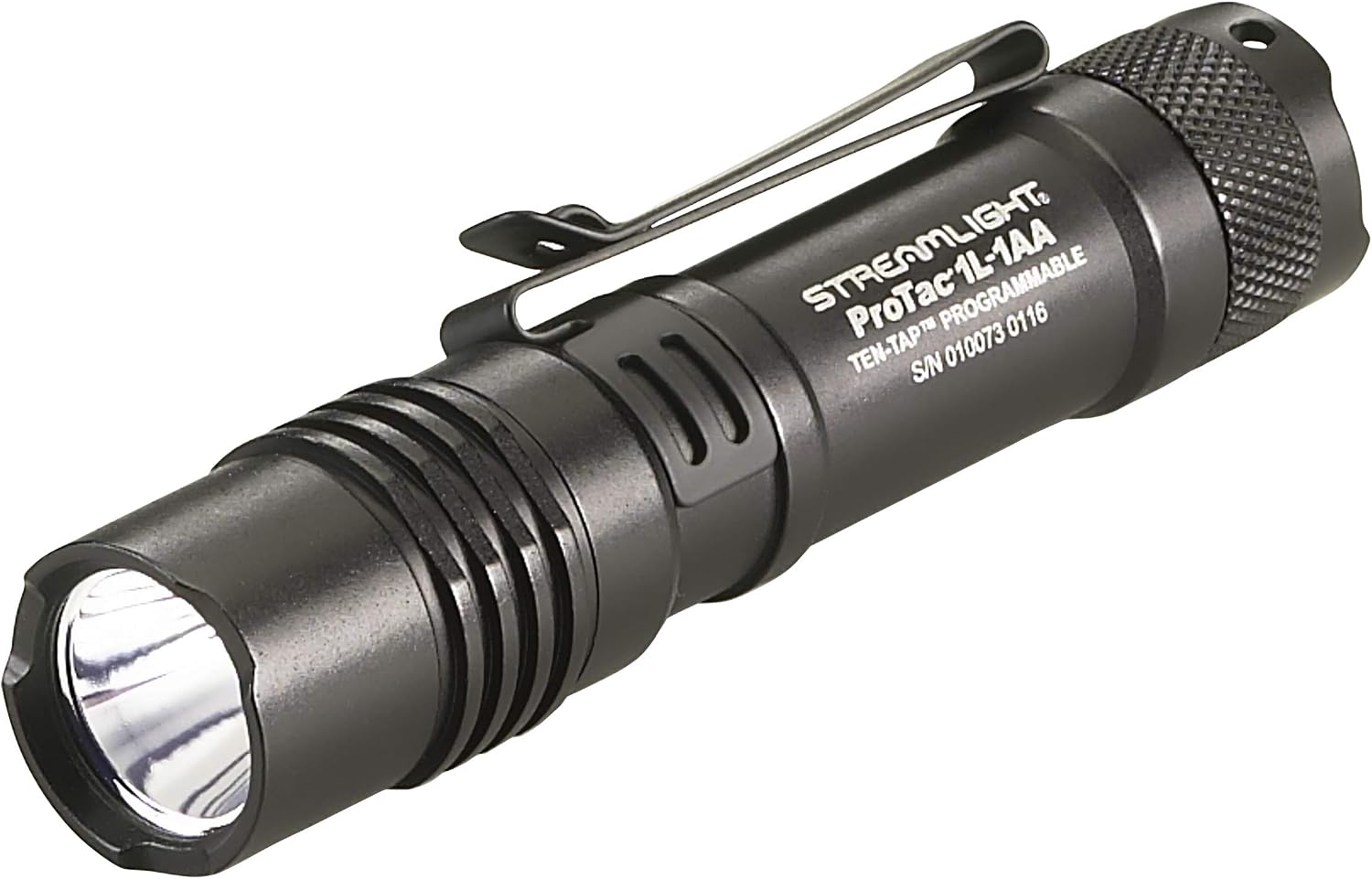
Streamlight ProTac 1L-1AA
Field Tested

Streamlight ProTac 1L-1AA

A useful addition to the human side of the pet kit

You may need to walk your dog, inspect a carrier, find supplies, or manage an animal outside in the dark. A dependable flashlight is a practical addition to your own emergency gear.

The ProTac 1L-1AA is a compact flashlight that can use either a CR123A or AA battery, depending on the configuration.

Best For

Nighttime evacuation, walking, finding supplies, and general emergency use.


05 — Don't Forget

These are the items that are easy to miss when assembling a pet kit.

  • Microchip registration: A microchip is only useful if its registration information is current.
  • Recent photographs: Keep pictures of your pet and of you with your pet.
  • Medication: Ask your veterinarian how much reserve medication is appropriate.
  • Medical records: Keep digital and printed copies.
  • Emergency contacts: Include your veterinarian, an emergency animal hospital, and a backup caregiver.
  • Temperature control: Have a plan for safe temperatures during an extended outage.
  • Waste supplies: Include enough for several days.
  • Familiar items: A blanket, toy, or bedding can help provide continuity.
  • Backup caregiver: Someone should know how to access your pet and what care they require.

06 — Common Mistakes

Buying equipment before making a plan

A premium harness won't help if you have nowhere to evacuate with your dog. Confirm your destination and transportation plan first.

Assuming a pet will eat unfamiliar food

Keep a reserve of the food your animal already eats. Sudden diet changes can cause digestive problems, and stress can make picky eating worse.

Forgetting water

Food is easy to remember. Dedicated water for pets is often overlooked.

Treating every harness as a vehicle restraint

An everyday walking harness is not automatically designed or tested for vehicle use. Choose equipment specifically intended for the job.

Keeping medication in the normal rotation

Your pet's emergency supplies should include the medication they actually need, not an empty bottle or an outdated prescription.

Never practicing evacuation

Put your pet in the carrier, load the vehicle, and practice leaving. A theoretical plan is not the same as a plan your animal can tolerate.

Forgetting backup care

If you're injured, delayed, or unable to return home, someone needs to be able to care for your pet.


Frequently Asked Questions

How much pet food should I store?

Start with at least three days of your pet's normal food. Build toward one to two weeks if practical. Rotate the supply so it stays fresh and familiar.

How much water should I store for my dog?

Requirements vary with size, activity, diet, temperature, and health. Store more than you expect to need, especially in hot weather, and consult your veterinarian about your animal's normal daily requirements.

Should I keep a pet emergency kit in my car?

A small vehicle kit is useful, but extreme heat and cold can damage food, medication, and other supplies. Check the contents regularly and don't leave temperature-sensitive items in a vehicle indefinitely.

Should I use a harness or a carrier?

It depends on the animal. Most dogs need a leash and appropriately fitted harness, while cats and many small animals need a secure carrier. Vehicle restraint requirements are a separate consideration.

What if I have multiple pets?

Plan for each animal individually. Each needs identification, appropriate transportation, food, water, and medical supplies. Make sure you have enough carriers and enough people to move them safely.

How often should I check my pet emergency kit?

Review it at least twice a year and whenever your pet's diet, medication, size, or health needs change. Check expiration dates and replace used supplies immediately.

What is the most important thing to prepare?

A workable evacuation plan. Food and supplies matter, but being able to safely transport your animal and reach a place that accepts them is fundamental.

Final Thoughts

Your pet is part of your household. Their emergency plan deserves the same attention as everyone else's.

Start with food, water, medication, identification, and a way to evacuate. Then build out the kit with first aid, sanitation, comfort, and backup care.

You don't need to buy every product on this page. You need equipment that fits your animal, a plan that works, and supplies that are ready when you need them.

Prepare for Tuesday. Ready for Doomsday.

Apocalypse Warehouse recommendations are intended to help owners make informed decisions. Product selection should account for species, size, health, fit, and manufacturer instructions. Affiliate links may earn Apocalypse Warehouse a commission at no additional cost to the buyer.

Build your PET READY plan